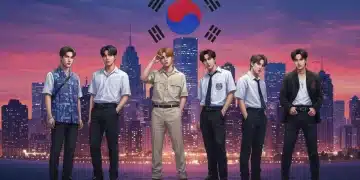
K-Pop Fandom Trends 2026: How US Fans are Reshaping the Narrative
Anúncios
K-Pop Fandom Trends 2026: How US Fans are Reshaping the Narrative
The global phenomenon of K-Pop continues its meteoric rise, captivating audiences worldwide with its unique blend of infectious music, synchronized choreography, and unparalleled visual artistry. As we delve into 2026, the landscape of K-Pop fandom is more dynamic and influential than ever before, particularly concerning the pivotal role played by fans in the United States. What began as a niche interest has blossomed into a mainstream cultural force, with US fans not just consuming content but actively shaping the narrative, driving trends, and influencing the very direction of the industry. Understanding these evolving K-Pop Fandom Trends is crucial for anyone interested in the future of music and global pop culture.
The Evolution of K-Pop Fandom in the US: From Niche to Mainstream Powerhouse
For years, K-Pop was seen as an exotic import, primarily consumed by a dedicated but relatively small group of enthusiasts in the US. However, a combination of factors – including strategic marketing by Korean entertainment companies, the pervasive power of social media, and the genre’s inherent appeal – has propelled K-Pop into the American mainstream. In 2026, US fans represent a significant demographic, not just in terms of consumption but also in their organizational power and ability to mobilize. This shift has redefined what it means to be a K-Pop fan in the West.
Anúncios
Early Adopters and the Digital Frontier
The initial growth of K-Pop in the US was largely organic, driven by early adopters who discovered groups through platforms like YouTube and Tumblr. These fans became de facto ambassadors, translating content, organizing fan projects, and building communities long before official US promotions were commonplace. This grassroots effort laid the groundwork for the massive fanbases we see today. The digital frontier was, and remains, a critical battleground for K-Pop Fandom Trends.
The Role of Social Media in Amplifying Fan Voices
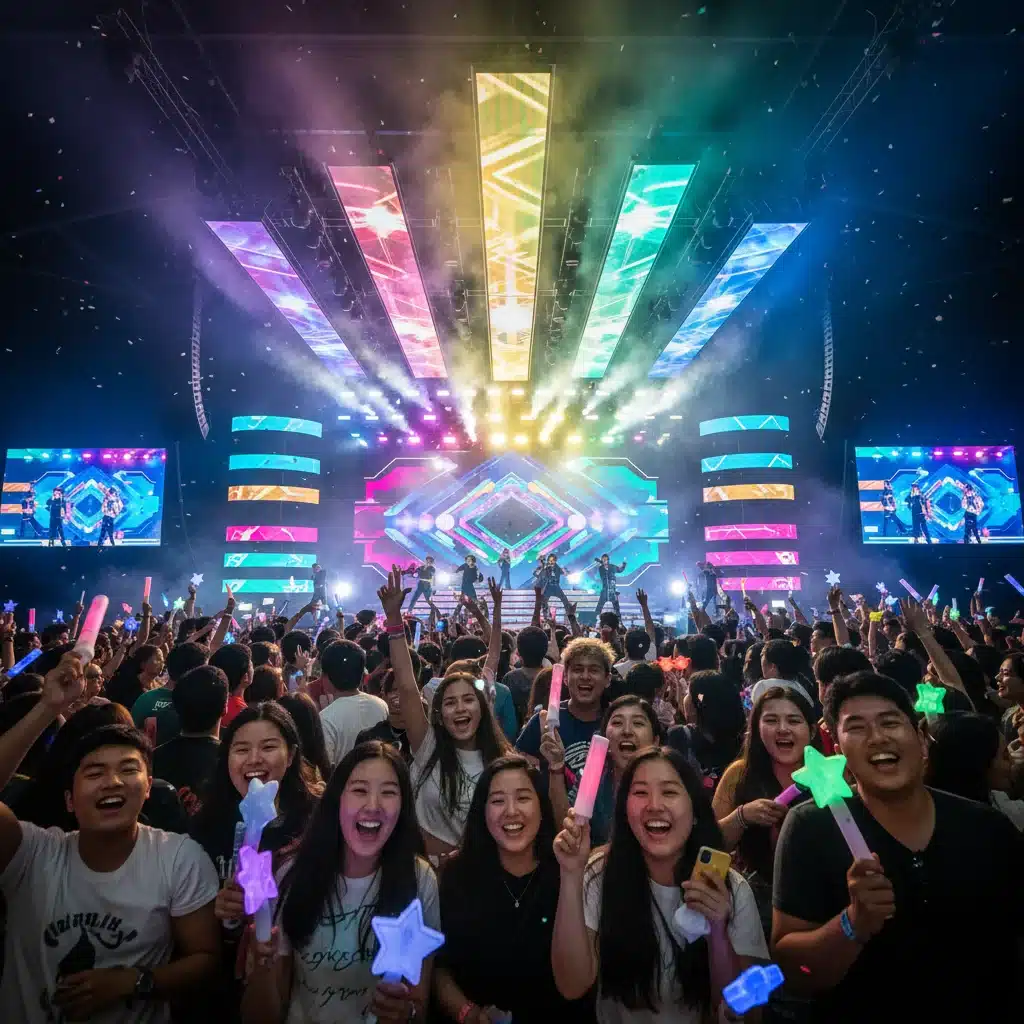
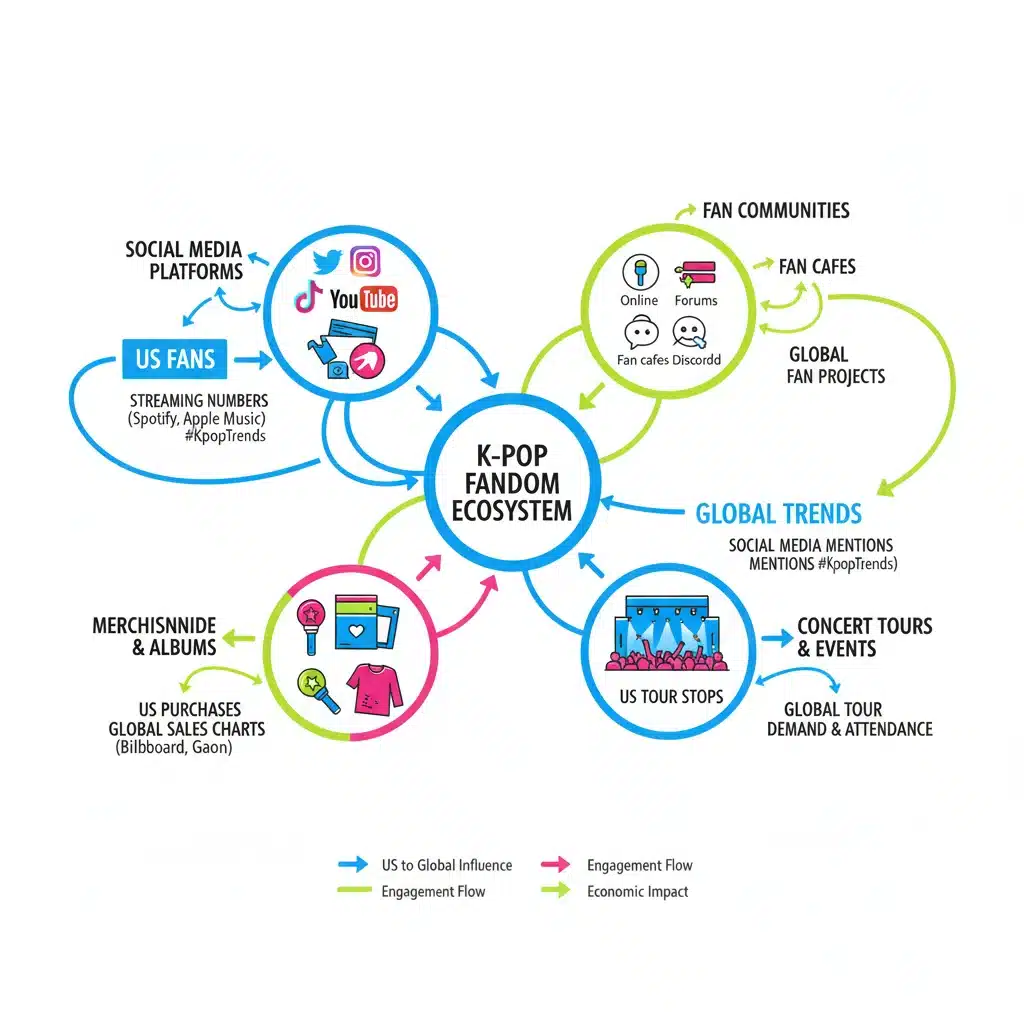
Social media platforms are the lifeblood of modern K-Pop fandom. Twitter, TikTok, Instagram, and even newer emerging platforms serve as central hubs for communication, content sharing, and collective action. US fans, known for their proficiency in digital activism, have leveraged these tools to unprecedented effect. From trending hashtags to organizing mass streaming parties, their collective efforts directly impact chart performance, award show nominations, and media visibility. This level of organized fan engagement is a defining characteristic of current K-Pop Fandom Trends.
Key K-Pop Fandom Trends in 2026 Driven by US Fans
1. Hyper-Engagement and Data-Driven Support
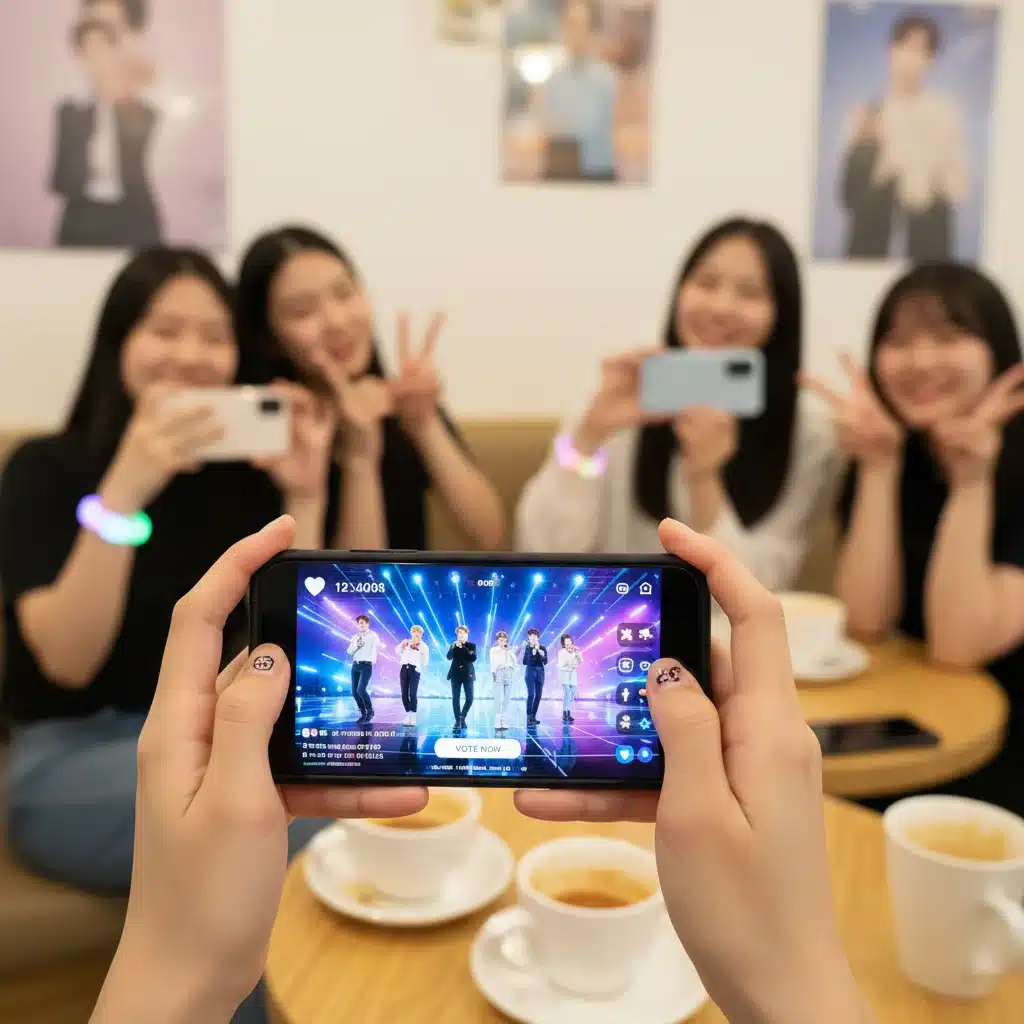
One of the most prominent K-Pop Fandom Trends is the meticulous and data-driven approach US fans take to support their idols. This goes beyond casual listening. Fans meticulously track streaming numbers across various platforms (Spotify, Apple Music, YouTube), organize bulk album purchases to influence chart positions (like Billboard), and coordinate voting efforts for international awards. They understand the metrics that matter in the Western music industry and strategize accordingly. This level of dedication transforms fandom into a highly organized, almost professional, support system.
The motivation behind this hyper-engagement is multifaceted. It stems from a deep emotional connection to the artists, a desire to see them succeed on a global stage, and a sense of collective achievement within the fandom. This isn’t just about passive consumption; it’s about active participation in the artists’ careers. The impact of this trend is undeniable, as K-Pop groups consistently break records and achieve mainstream recognition in the US market, largely due to this organized fan effort.
Anúncios
2. Advocacy and Social Activism
Beyond music, US K-Pop fans have increasingly demonstrated their power in social and political advocacy. The year 2026 sees an even stronger integration of social consciousness within fandom activities. From supporting Black Lives Matter initiatives by matching fan donations to flooding political rallies with K-Pop fancams to disrupt online organization, US fans have shown a remarkable ability to pivot their collective energy towards causes they believe in. This trend reflects a broader societal shift where entertainment and activism are no longer mutually exclusive, and fan communities are becoming significant forces for change. This blend of entertainment and advocacy is a powerful new facet of K-Pop Fandom Trends.
This willingness to engage in social activism not only elevates the perception of K-Pop fandom beyond mere consumerism but also adds another layer of influence to the genre. It positions K-Pop fans as a demographic that can be mobilized for various causes, making them a force to be reckoned with in broader cultural conversations. Entertainment companies are increasingly aware of this, often treading carefully around sensitive topics to maintain positive fan relations, further demonstrating the fans’ power.
3. Shaping Content and Narrative through Feedback
US fans are not just recipients of K-Pop content; they are active participants in its creation and evolution. Through direct feedback on social media, participation in surveys, and even organized boycotts or support campaigns, they exert considerable influence over the narrative surrounding their favorite groups. This includes everything from album concepts and song themes to stylistic choices and even the handling of controversies. Entertainment companies are increasingly responsive to international fan sentiment, recognizing the financial and cultural capital that US fans bring.
This dynamic feedback loop means that K-Pop content is, in many ways, being co-created with its global audience. Artists and companies pay close attention to what resonates with US fans, often incorporating elements that appeal to Western sensibilities without sacrificing their unique Korean identity. This delicate balance is crucial for continued global expansion and is a direct result of the vocal and organized nature of US K-Pop Fandom Trends. The narrative is no longer solely dictated by Korean producers; it’s a collaborative effort.
4. The Rise of ‘Fan-Artists’ and Content Creators
Another significant trend is the proliferation of ‘fan-artists’ and content creators within the US K-Pop community. These individuals leverage their skills in art, design, video editing, writing, and music production to create derivative works that enrich the fandom experience. This includes fan art, fan fiction, reaction videos, dance covers, analysis essays, and even original music inspired by K-Pop. These creations not only provide additional content for fellow fans but also serve as powerful promotional tools, often reaching new audiences and deepening engagement.
Many of these fan-created contents gain viral traction, sometimes even being acknowledged by the idols themselves or their agencies. This blurs the lines between creator and consumer, empowering fans to become active contributors to the K-Pop ecosystem. It fosters a sense of shared ownership and creativity, making the fandom experience more immersive and participatory. This creative output is a testament to the passion and talent within the US K-Pop community, driving new K-Pop Fandom Trends in content creation.
5. Demand for Authenticity and Transparency
In 2026, US K-Pop fans place a high value on authenticity and transparency from idols and their agencies. With the rise of parasocial relationships facilitated by constant digital interaction, fans feel a deeper connection and, consequently, a greater expectation for genuine communication. This includes how companies handle controversies, how idols interact with fans, and the overall messaging surrounding their careers. Any perceived lack of transparency or authenticity can lead to significant backlash, demonstrating the power of the fandom to hold agencies accountable.
This trend has pushed entertainment companies to adapt, often leading to more direct communication channels, increased behind-the-scenes content, and a greater willingness to address fan concerns. The demand for authenticity reflects a mature fandom that sees idols not just as performers but as individuals with whom they share a bond. This ethical dimension is increasingly influencing K-Pop Fandom Trends and industry practices.
The Economic Impact: US Fans as a Driving Force
Merchandise and Album Sales
The economic power of US K-Pop fans cannot be overstated. They are major consumers of albums, merchandise, concert tickets, and digital content. Their purchasing power is a critical factor in the financial success of K-Pop groups, directly contributing to record-breaking sales figures and sold-out tours across North America. The willingness of US fans to invest heavily in their idols underscores their deep commitment and fuels the industry’s growth.
Concert and Tour Demand
The consistent demand for K-Pop concerts and tours in the US has transformed the touring landscape. Major K-Pop acts now regularly include extensive North American legs in their world tours, often selling out arenas and stadiums. This strong market demand is a direct result of organized fan efforts to demonstrate interest and purchase tickets, proving the viability of K-Pop as a major touring act in the Western world. This economic influence is a cornerstone of current K-Pop Fandom Trends.
Brand Power and Collaborations
US K-Pop fans also contribute significantly to the brand power of their idols, making them attractive partners for global brands. From fashion lines to beauty products and even fast-food collaborations, the immense reach and loyalty of K-Pop fandom translate into massive commercial success for brands associated with idols. This economic leverage further solidifies the position of US fans as key players in the K-Pop ecosystem.
Challenges and Criticisms within K-Pop Fandom
Intense Fandom Culture and ‘Toxic’ Elements
While K-Pop fandom is largely positive and community-driven, it is not without its challenges. The intense dedication can sometimes lead to ‘toxic’ elements, including fan wars between different groups’ fandoms, cyberbullying, and unrealistic expectations placed on idols. The anonymity of the internet can sometimes fuel aggressive behavior, and navigating these complexities remains a significant challenge for both fans and agencies. Addressing these negative aspects is an ongoing discussion within K-Pop Fandom Trends.
Cultural Appropriation Concerns
As K-Pop continues to globalize, concerns about cultural appropriation have become more prominent, particularly from US fans who are often more attuned to these discussions. Fans frequently call out instances where K-Pop artists or concepts are perceived to appropriate elements from other cultures without proper understanding or respect. This vigilance from US fans plays a crucial role in holding the industry accountable and encouraging more culturally sensitive practices. This critical engagement is another aspect of evolving K-Pop Fandom Trends.
Burnout and Mental Health
The high level of engagement expected in K-Pop fandom can also lead to burnout among fans. The constant need to stream, vote, and participate in online activities can be mentally and emotionally taxing. Discussions around fan mental health and the importance of healthy boundaries are becoming more prevalent, highlighting a growing awareness of the potential downsides of hyper-engagement. This internal reflection within fandoms is a healthy development for the long-term sustainability of K-Pop Fandom Trends.
The Future of K-Pop Fandom: What to Expect Beyond 2026
Increased Localization and Diversity
Looking beyond 2026, we can expect K-Pop to continue its trajectory of increased localization and diversity. This may involve more groups incorporating members from diverse ethnic backgrounds, including those from the US, or producing content specifically tailored for different regional markets. The influence of US fans will likely push for greater representation and a more nuanced understanding of global cultures within K-Pop. This will be a key driver in future K-Pop Fandom Trends.
Technological Innovations in Fan Engagement
Technological advancements will undoubtedly shape the future of K-Pop fandom. We can anticipate more sophisticated interactive experiences, perhaps involving virtual reality (VR) concerts, augmented reality (AR) fan meetings, and AI-powered personalized content. The metaverse, still in its nascent stages, holds immense potential for creating new, immersive fan experiences that transcend geographical boundaries. US fans, being early adopters of technology, will likely be at the forefront of embracing and driving these innovations.
Sustained Influence on Global Pop Culture
The narrative-shaping power of US K-Pop fans is unlikely to wane. Their collective voice will continue to influence not only the K-Pop industry but also broader global pop culture. As K-Pop continues to break down barriers and achieve mainstream success, the strategies and engagement models perfected by its fandom will likely be adopted and adapted by other music genres and entertainment industries. K-Pop fandom, particularly the US segment, is setting a new standard for fan-artist interaction and influence.
Evolving Industry Responses
Entertainment companies will continue to evolve their strategies to engage with and respond to the demands of their international fanbases. This includes creating more robust communication channels, developing specific content for different regions, and potentially even establishing more localized management teams. The era of a one-size-fits-all approach is long gone; a nuanced understanding of diverse fan needs, especially from a powerful market like the US, will be paramount for sustained success.
Conclusion: US Fans at the Helm of K-Pop’s Global Journey
In 2026, US K-Pop fans are not merely consumers; they are architects of the genre’s global narrative. Their hyper-engagement, data-driven support, advocacy, creative contributions, and demand for authenticity are profoundly influencing K-Pop’s trajectory. From dominating charts to driving social activism and shaping content, their impact is undeniable and multifaceted. As K-Pop continues its global expansion, the evolving K-Pop Fandom Trends demonstrate that the future of this vibrant genre is intrinsically linked to the passion, dedication, and collective power of its American fanbase.
Understanding these trends is not just about appreciating a music genre; it’s about recognizing a powerful cultural phenomenon where fans are actively reshaping the entertainment industry. The symbiotic relationship between K-Pop artists, their agencies, and their dedicated US fanbase promises an exciting and innovative future for Hallyu, ensuring its continued relevance and influence on the world stage for years to come.