Digital Fan Art 2026: Start, Showcase, Global Audience in 3 Months
The 2026 rise of digital fan art presents an immense opportunity for artists to engage with global audiences, and this article provides a three-month roadmap with practical solutions for creation and showcasing.
The landscape of creative expression is constantly evolving, and in 2026, the phenomenon of digital fan art has reached unprecedented heights. This isn’t just a hobby; it’s a thriving ecosystem where passion meets proficiency, and artists can connect with a global audience like never before. If you’re looking to dive into this dynamic world, this guide offers practical solutions to start, refine, and showcase your digital fan art to a worldwide community within just three months.
Understanding the 2026 Digital Fan Art Landscape
The digital fan art scene in 2026 is characterized by hyper-connectivity and sophisticated tools. Fan communities, particularly those around K-Pop, doramas, and other global entertainment, are more active and influential than ever. Artists are leveraging advanced software and AI-assisted tools to create stunning, intricate pieces that resonate deeply with fellow fans.
This era emphasizes not just artistic skill, but also a keen understanding of intellectual property rights and community engagement. Platforms have evolved, offering integrated features for creation, sharing, and even monetization. Being successful now means navigating these technological and social currents effectively.
Key Trends Shaping Fan Art in 2026
- AI-Assisted Creation: Tools that help with color palettes, composition, and even initial sketches are becoming commonplace, democratizing access to high-quality art production.
- Interactive Fan Art: Augmented reality (AR) and virtual reality (VR) elements are being integrated, allowing viewers to experience fan art in immersive new ways.
- NFTs and Digital Collectibles: The market for unique digital assets continues to grow, providing artists with new revenue streams and ways to establish ownership.
- Micro-Communities on Niche Platforms: Beyond mainstream social media, dedicated platforms for specific fandoms are fostering deeper engagement and appreciation for fan artists.
To truly thrive, aspiring artists must embrace these trends, seeing them not as challenges but as opportunities to innovate and distinguish their work. The global reach of platforms means your art can find an audience in any corner of the world, fostering a diverse and supportive network.
The current environment rewards authenticity and consistency. Artists who genuinely connect with their chosen fandoms and consistently produce high-quality work are the ones who build lasting careers. Understanding the nuances of fan culture and respecting the source material are paramount for success in this vibrant art form.
Month 1: Building Your Foundation and Mastering Tools
The first month is crucial for establishing a solid artistic foundation and becoming proficient with your chosen digital tools. Don’t rush this phase; a strong start will prevent frustration later on. Begin by selecting appropriate software and hardware that align with your budget and artistic goals.
Many free and paid options exist, from open-source programs like Krita to industry standards like Adobe Photoshop or Clip Studio Paint. Experiment with different interfaces and features to find what feels most intuitive for your workflow. Learning the basics of digital drawing, such as layers, brushes, and color theory, is essential before tackling complex fan art pieces.
Essential Software and Hardware
- Drawing Tablet: A pressure-sensitive drawing tablet (like Wacom or Huion) is indispensable for natural-feeling strokes and control.
- Digital Art Software: Programs like Clip Studio Paint, Procreate (for iPad), or Adobe Photoshop offer comprehensive toolsets for illustration.
- Reference Material: Collect high-resolution images, character designs, and scene stills from your chosen dorama or K-Pop group to ensure accuracy.
Focus on foundational skills. Practice anatomy, perspective, and color mixing. Many online tutorials and workshops are available to guide you through these initial steps. Even if you have traditional art experience, digital mediums have unique properties that require dedicated practice. Setting small, achievable goals each week will help maintain momentum and build confidence.
Dedicate time to understanding the specific aesthetics of your chosen fandom. Analyze character designs, color palettes, and common stylistic elements. This deep dive will inform your artistic choices and help your fan art resonate more authentically with the community. Consistency in practice, even for short periods daily, yields significant improvements over time.
Month 2: Creating Your First Showcase Pieces
With your foundational skills improved and tools mastered, month two focuses on creating a portfolio of strong fan art pieces. Aim for variety in your subjects and styles to demonstrate your range. This stage is about applying what you’ve learned to produce finished works that are ready for public viewing.
Choose subjects that genuinely excite you, as your passion will translate into your art. Consider different types of fan art, such as character portraits, scene recreations, or conceptual pieces. Don’t be afraid to experiment and push your creative boundaries. Quality over quantity should be your mantra; a few polished pieces are more impactful than many unfinished ones.
Developing Your Unique Style
While fan art inherently draws from existing material, developing your unique artistic voice is crucial for standing out. Experiment with:
- Color Palettes: Try unconventional color schemes that still evoke the original work’s mood.
- Brushwork: Develop a distinctive way of applying digital paint or lines.
- Composition: Find interesting ways to frame your subjects, perhaps using dynamic angles or unusual perspectives.
- Storytelling Elements: Infuse your art with subtle narratives or emotional depth that go beyond a simple depiction.
Seek feedback from trusted friends or online art communities during this phase. Constructive criticism is invaluable for identifying areas for improvement. Be open to suggestions, but also trust your artistic instincts. Remember that every artist has a unique perspective, and your interpretation of fan material is what makes your work special. This month is about refining your artistic vision and preparing your work for a wider audience.
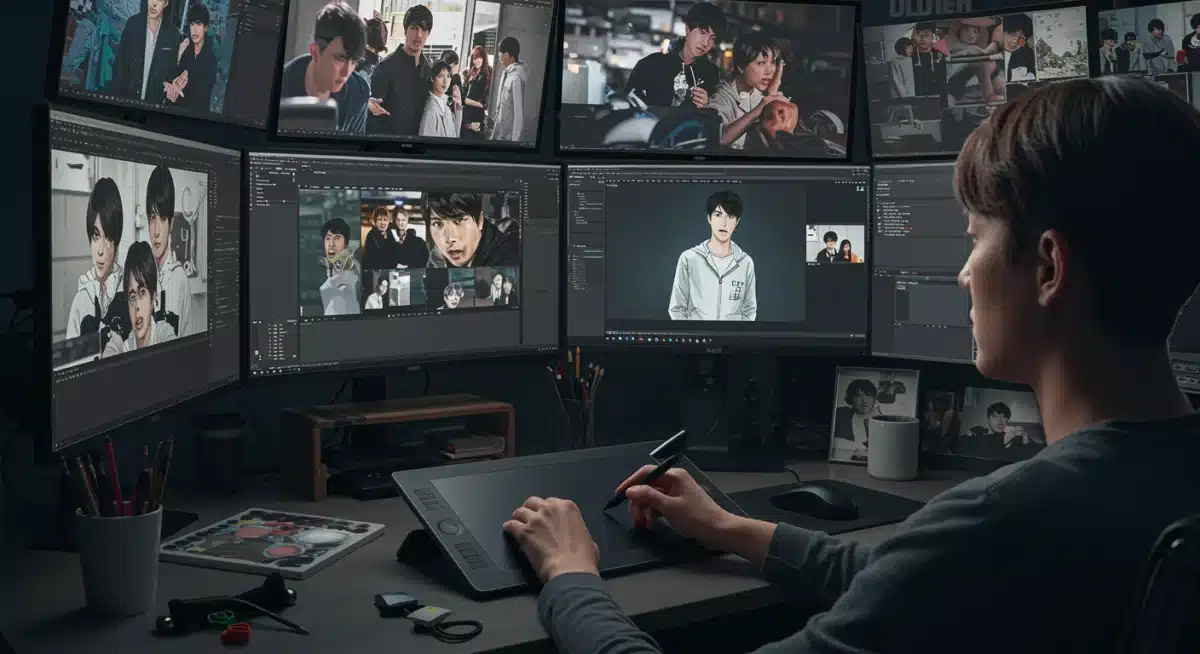
As you create, pay attention to details that elevate your work, such as lighting, textures, and emotional expression. These elements can transform a good piece into a great one. The goal is to produce pieces that not only capture the essence of the source material but also showcase your personal artistic flair, making them memorable and engaging.
Month 3: Showcasing and Reaching a Global Audience
The final month is dedicated to strategically showcasing your digital fan art and connecting with a global audience. This requires more than just uploading images; it involves active participation, smart platform choices, and consistent engagement. Your goal is to build visibility and foster a community around your art.
Start by identifying the most relevant platforms for your chosen fandom. While Instagram and TikTok remain popular, niche platforms and dedicated fan forums often yield more genuine engagement. Optimize your profiles with clear descriptions, links to your portfolio, and a consistent aesthetic. High-quality images and compelling captions are essential for attracting attention.
Strategic Platform Selection and Engagement
Choosing where to post your art is as important as the art itself. Consider:
- DeviantArt/ArtStation: Professional art communities for showcasing high-resolution work and connecting with fellow artists.
- Twitter/Bluesky: Ideal for quick shares, engaging in trending topics, and interacting directly with fandoms through hashtags.
- TikTok/Instagram Reels: Perfect for sharing time-lapses of your creation process, behind-the-scenes content, and engaging with short-form video trends.
- Fan Forums/Discord Servers: Highly targeted communities where your art can be deeply appreciated and discussed by dedicated fans.
Engage actively with other artists and fans. Comment on their work, participate in discussions, and respond to comments on your own posts. Building relationships within the community is key to growing your audience organically. Consider collaborating with other fan artists or participating in fan challenges to expand your reach.
Don’t underestimate the power of consistency. Regular posting keeps your audience engaged and signals to algorithms that your content is fresh. Analyze your engagement metrics to understand what resonates most with your audience and adjust your strategy accordingly. This iterative process of creation, sharing, and analysis will be central to your long-term success in the digital fan art space.
Navigating Copyright and Fair Use in Fan Art
Creating fan art inherently involves using copyrighted material, making an understanding of copyright and fair use critical. In 2026, intellectual property discussions are more prevalent than ever, especially with the rise of AI-generated content. While most fan art operates in a gray area, understanding the principles helps artists protect themselves and respect original creators.
Generally, fan art is considered transformative work, which can fall under fair use if it adds new meaning or expression to the original. However, this is not a guarantee against legal action. It’s crucial to avoid direct reproduction for commercial gain without explicit permission. Many companies have specific fan content policies; familiarize yourself with these guidelines.
Best Practices for Responsible Fan Art
- Non-Commercial Use: Prioritize creating fan art for personal enjoyment and community sharing rather than direct sales.
- Attribution: Always credit the original creators and source material clearly in your posts.
- Transformative Nature: Strive to add your unique artistic interpretation rather than simply replicating existing images.
- Respect Creator Wishes: If an original creator expresses discomfort with fan art of their work, respect their boundaries.
Consider offering prints or commissions of your original characters or designs, which are not subject to the same copyright concerns. If you do venture into selling fan art, research licensing agreements or seek permission from the copyright holders. Platforms like Etsy or Redbubble often have strict policies regarding copyrighted content, so exercise caution and be informed.
Staying informed about evolving IP laws and platform guidelines is an ongoing responsibility for any digital artist. Engaging with the fan community about these issues can also provide valuable insights and support. Transparency and respect for intellectual property foster a healthier, more sustainable fan art ecosystem for everyone involved.
Monetizing Your Digital Fan Art (Ethically)
While passion drives fan art, the desire to monetize your skills is natural. In 2026, several ethical avenues exist for artists to earn income from their digital fan art, beyond direct sales of copyrighted material. The key is to leverage your artistic talent and community engagement in ways that respect intellectual property and provide value.
One common approach is offering commissions for original characters or personalized artwork in your distinct fan art style. This allows you to apply your learned skills without infringing on existing copyrights. Another growing trend is creating and selling tutorial content or art brushes, teaching others how to achieve similar effects or styles.
Diverse Monetization Avenues
- Patreon/Ko-fi: Platforms for direct fan support, offering exclusive content or early access to your work.
- Commissions (Original Characters): Create custom art for clients, applying your style to their unique concepts.
- Merchandise (Original Designs): Design and sell merchandise featuring your original characters or abstract art inspired by fandoms.
- Art Tutorials/Courses: Share your knowledge and techniques through online classes or digital guides.
- NFTs (Original Art): Mint and sell unique digital art pieces that are entirely your own creation.
Building a strong personal brand and a loyal following are crucial precursors to successful monetization. Your audience needs to trust your artistic integrity and appreciate your unique contribution. Consistency in your artistic output and engagement with your community will naturally lead to opportunities for financial support.
Always be transparent with your audience about what you are selling and how it relates to fan art. Maintaining ethical practices not only protects you legally but also builds a reputation of trustworthiness within the art community. The goal is to create a sustainable artistic career that aligns with your passion and respects the creative works that inspire you.
Sustaining Your Growth and Community in 2026 and Beyond
After three months, you’ve established your presence, created compelling art, and started connecting with a global audience. The journey doesn’t end here; sustaining your growth and nurturing your community are ongoing processes. The digital art world of 2026 is dynamic, requiring continuous adaptation and learning.
Keep honing your skills. Experiment with new techniques, software updates, and emerging art trends. The most successful artists are perpetual learners. Stay connected with your audience by regularly sharing updates, engaging in conversations, and responding to their feedback. A vibrant community is your greatest asset.
Long-Term Growth Strategies
To ensure continued relevance and growth:
- Continuous Learning: Invest in new tutorials, workshops, and explore advanced digital art techniques.
- Community Building: Host Q&A sessions, run polls, and create interactive content to keep your audience engaged.
- Cross-Platform Presence: Maintain an active presence on multiple platforms to diversify your reach and protect against algorithm changes.
- Networking: Collaborate with other artists, participate in online events, and seek mentorship opportunities.
- Portfolio Evolution: Regularly update your portfolio with your best and most recent work, showcasing your development.
Embrace challenges as opportunities for growth. Not every piece will be a viral hit, and not every interaction will be positive, but each experience contributes to your development as an artist. Your unique perspective and consistent effort are what will define your long-term success in the ever-expanding world of digital fan art.
Remember that the digital art landscape is constantly evolving. Staying curious, adaptable, and passionate about your craft will ensure your place within this exciting and global community for years to come. Your journey as a digital fan artist is a marathon, not a sprint, filled with endless creative possibilities.
| Key Aspect | Brief Description |
|---|---|
| Month 1: Foundation | Master digital tools and fundamental art skills, select appropriate software/hardware. |
| Month 2: Creation | Produce high-quality fan art pieces, develop unique artistic style. |
| Month 3: Showcase | Strategically share art on relevant platforms, engage with global audience. |
| Ethical Monetization | Explore ethical income streams like original commissions or tutorials, respecting IP. |
Frequently Asked Questions About Digital Fan Art in 2026
Essential tools include a pressure-sensitive drawing tablet (e.g., Wacom, Huion, or iPad with Apple Pencil) and digital art software such as Clip Studio Paint, Adobe Photoshop, or Procreate. Many free options like Krita are also excellent for beginners.
To minimize copyright issues, focus on creating transformative works that add new meaning. Always credit original creators, avoid direct commercial sales of copyrighted material without permission, and familiarize yourself with fair use principles and platform policies. Consider selling original art or commissions.
Platforms like DeviantArt and ArtStation are great for professional portfolios. Instagram, TikTok, and Twitter (or similar microblogging sites) are effective for broad reach and engagement. Niche fan forums and Discord servers offer highly targeted community interaction for specific fandoms.
Yes, with focused effort and strategic planning, building a foundational global audience in three months is achievable. Consistency in creation, active engagement on relevant platforms, and genuine interaction with communities are crucial for rapid growth and visibility.
Ethical monetization includes offering commissions for original characters in your style, selling art tutorials or custom brushes, using platforms like Patreon for direct fan support, and creating merchandise featuring your original designs, all while respecting existing intellectual property rights.
Conclusion
The 2026 landscape for digital fan art is rich with opportunity, offering a clear path for passionate artists to turn their creativity into a global connection. By dedicating three months to foundational skill-building, focused creation, and strategic showcasing, aspiring artists can effectively launch their presence in this vibrant community. Remember that consistency, ethical practices, and genuine engagement are the cornerstones of long-term success, allowing your unique artistic voice to shine and resonate with fans worldwide.