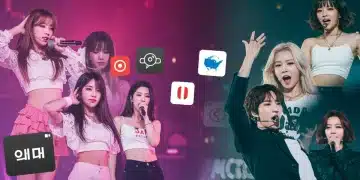
U.S. Fan Activism: Shaping K-Entertainment’s Global Future in 2026
The Unstoppable Force: How US K-Pop Activism is Shaping the Future of Korean Entertainment Globally in 2026
In the dynamic and ever-evolving world of global entertainment, few phenomena have exhibited such explosive growth and fervent dedication as Korean entertainment, particularly K-Pop. What began as a niche interest has blossomed into a mainstream cultural juggernaut, largely propelled by the passionate and increasingly influential force of its global fanbase. Among these, US K-Pop activism stands out as a pivotal driver, dramatically reshaping the industry’s trajectory, influencing artistic decisions, and even dictating market strategies. As we look towards 2026, the power of US K-Pop activism is not just a trend; it’s a foundational element of how Korean entertainment will continue to conquer the global stage.
The term ‘fan activism’ itself has undergone a significant transformation. No longer confined to simply buying albums or attending concerts, today’s fans, especially those in the United States, are organized, vocal, and strategic. They leverage digital platforms, financial resources, and collective action to advocate for their favorite artists, demand ethical treatment, promote diversity, and even steer the creative direction of their beloved groups. This detailed exploration will delve into the multifaceted ways US K-Pop activism is leaving an indelible mark on the global future of Korean entertainment, examining its historical roots, current manifestations, and projected impact in 2026 and beyond.
The Genesis of Influence: Early Days of US K-Pop Activism
To understand the current landscape of US K-Pop activism, it’s crucial to trace its origins. While K-Pop’s initial foray into the US market in the late 2000s and early 2010s was met with limited success, a small but dedicated fanbase began to form. These early adopters were pioneers, translating lyrics, subtitling variety shows, and spreading content through nascent social media platforms like Tumblr and YouTube. This period laid the groundwork for what would become a highly interconnected and organized network.
Building Bridges: From Niche to Mainstream
Early US K-Pop activism was characterized by organic, grassroots efforts. Fans would organize flash mobs, create fan projects for artists visiting the US, and actively engage in online discussions. They were the first to identify the potential of K-Pop beyond its domestic borders, acting as cultural ambassadors. These efforts, though seemingly small at the time, were instrumental in breaking down initial cultural barriers and generating curiosity among a wider American audience. The viral success of certain K-Pop acts, often amplified by these early fan efforts, began to catch the attention of both Korean entertainment companies and Western media outlets.
The Digital Revolution: Social Media as a Catalyst
The rise of Twitter, Instagram, and later TikTok provided unparalleled tools for US K-Pop activism. Fans quickly mastered these platforms, using hashtags to trend topics, organize mass streaming events, and coordinate voting for awards shows. This digital prowess transformed individual enthusiasm into collective power, allowing fans to directly influence charts, media narratives, and even the perception of K-Pop artists. This era marked a significant shift, where fans transitioned from passive consumers to active participants in the industry’s growth.
Modern Manifestations: Diverse Forms of US K-Pop Activism in 2026
By 2026, US K-Pop activism has diversified its strategies and expanded its reach, becoming a sophisticated and powerful force. It encompasses a wide array of activities, each designed to maximize impact and achieve specific goals.
Chart Domination and Streaming Powerhouses
One of the most visible forms of US K-Pop activism is its ability to mobilize for chart success. Fans meticulously plan streaming parties, organize bulk album purchases, and create detailed guides to help fellow fans navigate complex chart algorithms. This isn’t just about showing support; it’s about demonstrating market demand to the industry. In 2026, this strategic chart activism continues to be a primary method for K-Pop groups to break into and dominate Western music markets, influencing billboard rankings and sales figures.
Ethical Advocacy: Demanding Better for Artists
Beyond commercial success, US K-Pop activism has increasingly turned its attention to ethical concerns within the industry. Fans are vocal about issues such as idol mental health, fair contracts, protection against exploitation, and respectful treatment of artists. They launch petitions, utilize social media campaigns to pressure entertainment companies, and even fund legal support when necessary. This form of activism is crucial in pushing for systemic changes within the often-demanding K-Pop industry, highlighting a growing demand for transparency and artist well-being.
Social Justice and Cultural Sensitivity
A significant evolution in US K-Pop activism is its intersection with broader social justice movements. American fans, particularly those from diverse backgrounds, are quick to call out instances of cultural appropriation, racism, sexism, or homophobia within the K-Pop industry. They educate fellow fans, demand apologies from companies and artists, and advocate for more culturally sensitive practices. This push for social responsibility has a profound impact, forcing Korean entertainment companies to be more mindful of their global audience and adjust their content and messaging accordingly. In 2026, this aspect of activism is more prominent than ever, shaping the industry’s approach to global diversity and inclusion.
Philanthropic Endeavors and Community Building
Many fan groups engage in philanthropic activities in the name of their favorite artists. From donating to charities to organizing environmental clean-up drives, these efforts not only create positive public relations for the artists but also foster a strong sense of community among fans. This aspect of US K-Pop activism demonstrates a commitment to making a tangible positive impact, extending the influence of K-Pop beyond entertainment into humanitarian efforts.
The Impact in 2026: A New Era of Co-Creation
By 2026, the cumulative effect of US K-Pop activism has ushered in an era where fans are no longer just consumers but active co-creators and stakeholders in the Korean entertainment industry. This shift has several profound implications.
Direct Influence on Content and Artistic Direction
Korean entertainment companies, keenly aware of the financial and cultural power of their US fanbase, are increasingly factoring fan feedback into their creative processes. This can manifest in subtle ways, such as incorporating fan-favorite concepts or addressing specific fan requests in new releases. In more direct instances, companies might conduct surveys or engage with fan representatives to gauge preferences for album themes, tour locations, or even merchandise designs. This level of responsiveness is a direct result of sustained US K-Pop activism, demonstrating that a vocal and organized fanbase can indeed influence artistic direction.
Market Expansion and Localization Strategies
The insights provided by US K-Pop activism are invaluable for market expansion. Fans often act as informal market researchers, identifying gaps, expressing demands for specific content (e.g., more English-language releases, collaborations with Western artists), and highlighting logistical challenges for tours or merchandise distribution. In 2026, this intelligence helps companies fine-tune their localization strategies, ensuring that K-Pop content resonates more effectively with the American audience, leading to tailored marketing campaigns and even the development of sub-units or collaborations specifically targeting the US market.
Elevated Standards of Industry Practices
The continuous pressure from US K-Pop activism for ethical treatment and social responsibility has led to noticeable improvements in industry practices. Companies are now more proactive in addressing controversies, providing mental health support for idols, and implementing stricter guidelines against cultural appropriation. While there’s always room for improvement, the baseline for artist welfare and cultural sensitivity in Korean entertainment has been significantly raised, largely due to the persistent advocacy of international fans, with US fans playing a leading role.
The Rise of Fan-Driven Initiatives and Platforms
Beyond traditional fan clubs, 2026 has seen the proliferation of sophisticated fan-driven initiatives and platforms. These include independently run news sites, translation communities, data analysis groups tracking chart performance, and even fan-funded creative projects. These platforms often operate with a level of professionalism and dedication that rivals official media outlets, further solidifying the influence of US K-Pop activism and creating a self-sustaining ecosystem around K-Pop.
Challenges and Criticisms Facing US K-Pop Activism
Despite its undeniable power, US K-Pop activism is not without its challenges and criticisms. Understanding these nuances is essential for a balanced perspective on its future impact.
The Double-Edged Sword of Fandom Intensity
The very intensity that fuels US K-Pop activism can sometimes lead to negative outcomes. Overzealous fan behavior, such as excessive online harassment, doxxing, or unrealistic demands, can create a toxic environment for artists and fellow fans alike. The line between passionate support and unhealthy obsession can blur, leading to burnout for both fans and artists. In 2026, fan communities are increasingly grappling with how to self-regulate and promote healthier fan cultures.
Navigating Cultural Differences and Misunderstandings
Despite increased understanding, cultural differences between US fans and Korean entertainment companies can still lead to misunderstandings. What might be considered acceptable or traditional in Korean culture may be viewed differently through an American lens, and vice-versa. US K-Pop activism sometimes faces the challenge of effectively communicating their concerns in a way that is understood and respected by Korean stakeholders, requiring patience and a willingness to bridge cultural gaps.
The Risk of Burnout and Fandom Fatigue
The constant pressure to stream, vote, trend, and advocate can be exhausting. The demanding nature of US K-Pop activism, while effective, carries the risk of fan burnout and fatigue. Maintaining sustained enthusiasm and engagement across a large and diverse fanbase is a continuous challenge, requiring constant innovation in fan engagement strategies and a focus on fan well-being.
Internal Conflicts and Factionalism
Within large fanbases, internal conflicts and factionalism can arise. Disagreements over strategies, priorities, or even interpretations of artist actions can lead to infighting, which can dilute the collective power of US K-Pop activism. Addressing these internal divisions and fostering unity remains a critical aspect of maintaining effective fan influence.
The Future Outlook: What 2026 and Beyond Holds for US K-Pop Activism
Looking ahead, the influence of US K-Pop activism is only set to grow. Several key trends will likely define its trajectory in 2026 and the years to follow.
Increased Professionalization and Strategic Organization
Fan groups are becoming increasingly sophisticated, adopting professional organizational structures, leveraging data analytics, and employing advanced communication strategies. This professionalization will make US K-Pop activism even more effective in achieving its goals, allowing for more targeted campaigns and more efficient resource allocation. Expect to see more fan-led initiatives that resemble well-oiled marketing or advocacy organizations.
Greater Emphasis on Sustainability and Long-Term Impact
As the initial rush of K-Pop’s global expansion matures, US K-Pop activism will likely shift its focus towards sustainability. This means advocating for artists’ long-term careers, promoting healthier industry practices that ensure longevity, and investing in initiatives that build a lasting foundation for K-Pop’s presence in the US, rather than just short-term chart gains. This includes advocating for robust touring infrastructure, broader media representation, and educational programs.
Deepening Intersections with Social and Political Movements
The trend of US K-Pop activism intersecting with social justice movements will continue and deepen. As K-Pop artists become global figures, their actions and their companies’ policies will be increasingly scrutinized through a lens of global ethics and social responsibility. US fans will continue to push for K-Pop to be a force for positive change, using their platform to advocate for issues beyond just entertainment.
Broader Engagement Across Korean Entertainment
While K-Pop remains the dominant focus, US K-Pop activism is gradually extending its reach to other facets of Korean entertainment, including K-Dramas, webtoons, and Korean cinema. As these cultural products gain traction in the US, fans will likely apply similar advocacy strategies to promote, critique, and influence these industries as well, fostering a more holistic appreciation and engagement with Korean culture.
Technological Advancements and Fan Engagement
Technological advancements, such as AI-powered translation tools, virtual reality concerts, and blockchain-based fan engagement platforms, will further empower US K-Pop activism. These tools will enable more seamless communication, more immersive fan experiences, and potentially new ways for fans to directly support and interact with artists, further blurring the lines between creator and consumer.
Conclusion: The Enduring Legacy of US K-Pop Activism
In 2026, US K-Pop activism stands as a testament to the transformative power of a dedicated fanbase. It has evolved from a nascent movement into a sophisticated and influential force, capable of shaping global trends, advocating for ethical practices, and fostering a vibrant community around Korean entertainment. The future of K-Pop and other Korean cultural exports on the global stage is inextricably linked to the ongoing efforts of these passionate American supporters.
Their collective voices have not only propelled artists to unprecedented heights but have also initiated crucial conversations about industry standards, cultural sensitivity, and the role of entertainment in a globalized world. As K-Pop continues its upward trajectory, it will undoubtedly be the continued innovation and unwavering dedication of US K-Pop activism that helps define its path, ensuring its longevity and its profound impact on global culture for years to come.
The journey of K-Pop in the West is a collaborative narrative, one where the artists create the magic, and the fans, particularly those in the US, provide the unwavering support, critical feedback, and collective momentum that transforms a genre into a global phenomenon. This symbiotic relationship is the bedrock upon which the future of Korean entertainment is being built, brick by passionate brick, by the hands of its most dedicated advocates.