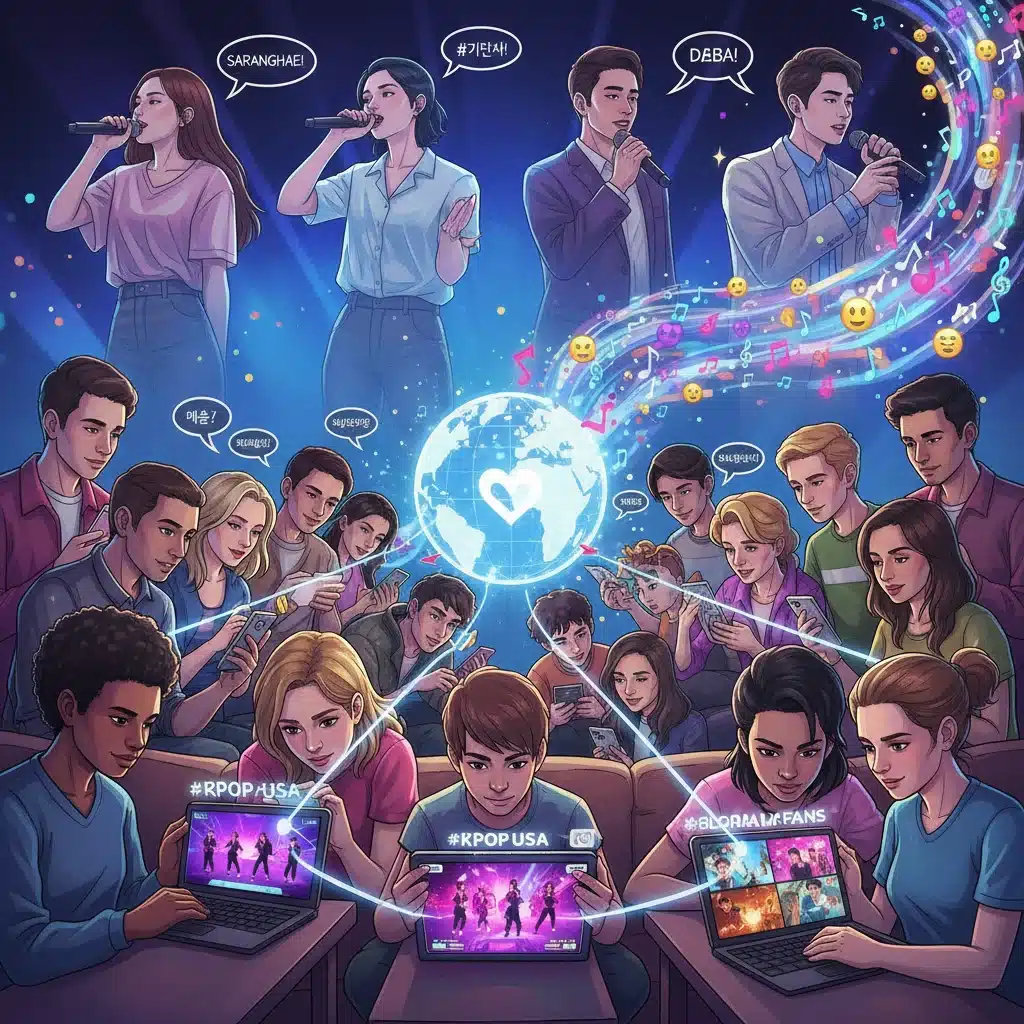
The landscape of global entertainment has been irrevocably altered by the surging tide of Korean culture, often referred to as Hallyu, or the Korean Wave. At the forefront of this global phenomenon, particularly when it comes to the recognition and celebration of artists, are the fan-voted awards. These accolades are not merely trophies; they are powerful indicators of popularity, influence, and the sheer dedication of a global fanbase. Among these fervent supporters, the United States fandom stands out as a colossal force, capable of shifting paradigms and dictating outcomes. As we look towards the 2026 fan-voted awards, understanding the profound impact of US Fandom Korean Entertainment becomes not just an academic exercise, but a crucial lens through which to view the future of the industry.
The journey of Korean entertainment, from a niche interest to a mainstream powerhouse in the West, is a testament to the power of digital connectivity and the unwavering passion of its fans. The United States, with its diverse population and immense market potential, has emerged as a critical battleground for K-Pop groups and K-Drama productions seeking global recognition. This article delves deep into the intricate mechanisms by which US fandom exerts its influence, comparing and analyzing its impact across various facets of Korean entertainment, and speculating on what this means for the highly anticipated 2026 fan-voted awards.
The Genesis of US Fandom Korean Entertainment Influence
The roots of US Fandom Korean Entertainment influence can be traced back to the early 2010s, with pioneers like Wonder Girls and Girls’ Generation making initial forays into the American music scene. However, it was the explosive success of Psy’s ‘Gangnam Style’ in 2012 that truly opened the floodgates, demonstrating the viral potential of K-Pop. This period saw a significant increase in curiosity and engagement from American audiences, laying the groundwork for what would become a formidable fanbase.
Anúncios
The rise of social media platforms like Twitter, YouTube, and Tumblr played a pivotal role in consolidating and amplifying this nascent fandom. These platforms provided direct channels for fans to interact with artists, consume content, and, most importantly, organize. Early K-Pop fans in the US, often feeling isolated in their interests, found communities online, fostering a sense of belonging and collective purpose. This collective power would soon translate into tangible results in fan-voted awards.
Fast forward to the mid-2010s, and groups like BTS and BLACKPINK began to break through traditional Western barriers, not just achieving success on niche charts but dominating mainstream music awards and selling out arenas across the US. This unprecedented level of success was largely fueled by their dedicated American fanbases, who mastered the art of digital promotion, streaming optimization, and strategic voting.
K-Dramas, while perhaps not as overtly visible in fan-voted music awards, have followed a similar trajectory. Platforms like Viki, Netflix, and Hulu made Korean dramas readily accessible to American audiences. The nuanced storytelling, high production quality, and compelling characters resonated deeply, cultivating a loyal following. This growing viewership translates into significant engagement during fan-voted drama awards, often through online polls and dedicated fan campaigns.
The evolution of US Fandom Korean Entertainment has been a journey of organic growth, technological leverage, and unwavering dedication. It’s a story of how a passionate minority transformed into a powerful majority, capable of shaping the global narrative of Korean entertainment.
Anúncios
Mechanisms of Influence: How US Fans Shape Award Outcomes
The influence of US Fandom Korean Entertainment on fan-voted awards is multifaceted, extending far beyond simple clicks. It involves sophisticated strategies, immense coordination, and a deep understanding of digital ecosystems. Let’s break down the primary mechanisms:
Mass Voting Campaigns
At the core of fan-voted awards are, naturally, votes. US fans are exceptionally adept at organizing and executing mass voting campaigns. These campaigns often involve:
- Dedicated Voting Accounts: Fans create multiple accounts on various platforms to maximize their voting power.
- Tutorials and Guides: Comprehensive guides are disseminated across social media, explaining how to vote on different platforms, bypass restrictions, and optimize voting efficiency.
- Voting Parties: Online ‘voting parties’ are organized where fans collectively vote for hours, creating a sense of camaraderie and accountability.
- Donations and Sponsorships: In some cases, fans pool resources to buy premium voting passes or sponsor ads to promote voting drives.
This level of organization is often seen in major K-Pop awards like the Mnet Asian Music Awards (MAMA), Golden Disc Awards, and Seoul Music Awards, where a significant portion of the global vote comes from the US.
Social Media Domination
Social media is the lifeblood of modern fandom, and US fans are masters of its utilization. Their activities contribute significantly to an artist’s visibility and perceived popularity, which can indirectly influence award panels and public perception:
- Trending Hashtags: US fans frequently trend hashtags related to their favorite groups or dramas, generating buzz and keeping them in the public consciousness.
- Streaming Parties: Coordinated streaming efforts on platforms like Spotify, Apple Music, and YouTube boost chart performance, which is often a criterion for nominations and wins.
- Engagement Metrics: High levels of likes, shares, and comments on official content signal a highly engaged fanbase, a factor often considered by award committees.
- Fan-Generated Content: Memes, fan edits, and reaction videos created by US fans amplify content’s reach and virality.
Economic Power and Market Demand
The economic power of US Fandom Korean Entertainment cannot be overstated. American fans contribute significantly to:
- Album Sales: The US is one of the largest markets for physical album sales outside of Korea, with many fans purchasing multiple copies to support their idols and contribute to chart performance (e.g., Billboard charts).
- Concert Tickets and Merchandise: High demand for concert tickets and official merchandise in the US demonstrates a strong, financially invested fanbase, signaling market viability to entertainment companies and award organizers.
- Brand Endorsements: The purchasing power of US fans makes artists more attractive to global brands, further cementing their international influence.
This economic clout directly impacts the perception of an artist’s global standing, making them more likely to be nominated and considered for major awards, including those with fan-voted categories.

K-Pop vs. K-Drama: A Comparative Analysis of US Fandom Impact
While US Fandom Korean Entertainment is influential across the board, its impact manifests differently in K-Pop and K-Drama sectors, primarily due to the nature of their consumption and award structures.
K-Pop: The Apex of Fan Power
In K-Pop, the direct influence of US fandom on fan-voted awards is arguably at its peak. K-Pop’s inherent structure, with its emphasis on idol-fan interaction, collective identity, and competitive charting, lends itself perfectly to organized fan efforts. US fans are instrumental in:
- Global Music Awards: Winning categories like ‘Top Social Artist’ at the Billboard Music Awards or ‘Favorite Music Video’ at the MTV Video Music Awards, purely through fan votes, showcases their immense power.
- Korean Music Awards: Their strategic voting significantly impacts categories in major Korean awards, often tipping the scales for international popularity awards or main prizes (Daesangs) where fan votes contribute to a percentage of the final score.
- Debut and Comeback Success: US fans contribute to first-week sales, YouTube views, and streaming numbers, which are crucial metrics for K-Pop groups’ success and award eligibility.
The competitive nature of K-Pop fandom fosters a strong sense of rivalry and dedication, leading to highly organized and effective campaigns. The direct correlation between fan effort and tangible results (like award wins or chart positions) further motivates US fans.
K-Drama: Growing Influence in a Different Sphere
The impact of US Fandom Korean Entertainment on K-Drama awards is more nuanced. While K-Dramas have a massive following, the voting mechanisms for drama awards are often less direct or carry a smaller weight compared to music awards.
- Streaming Platform Metrics: For K-Dramas, viewership numbers on global platforms like Netflix are paramount. US viewership significantly contributes to these metrics, influencing platform-specific awards (e.g., Netflix’s own internal recognitions) and global industry buzz.
- Popularity Polls: Many K-Drama awards include online popularity polls where US fans actively participate, helping their favorite actors or dramas win ‘Most Popular Actor/Actress’ or ‘Best Drama’ based on fan sentiment. Examples include the Baeksang Arts Awards’ popularity categories or the Asia Artist Awards’ fan-voted sections.
- Social Media Buzz: US fans drive discussions, create fan theories, and promote K-Dramas on social media, increasing their visibility and critical reception, which can indirectly sway expert panels or contribute to general public awareness.
- Demand for Subtitles/Dubbing: The sheer volume of US viewers creates a demand for high-quality translations and dubbing, making K-Dramas more accessible and further expanding their global reach.
While K-Drama awards might have a stronger emphasis on critical acclaim and industry expert opinions, the growing participation and economic influence of US fans are steadily increasing the weight of popular vote categories. This trend is expected to continue and strengthen by 2026.
The Future: 2026 Fan-Voted Awards and Beyond
Looking ahead to the 2026 fan-voted awards, several trends suggest that the influence of US Fandom Korean Entertainment will only intensify.
Technological Advancements in Voting
Award shows are continually evolving their voting methodologies, increasingly incorporating digital platforms that are easily accessible to international fans. This includes:
- Blockchain-based Voting: To ensure transparency and prevent fraud, some awards might explore blockchain technology, which could further empower global fans by providing verifiable voting processes.
- Integrated App Voting: Dedicated award show apps will likely become more sophisticated, offering seamless voting experiences and integrating social media features to maximize engagement.
- AI-Driven Analytics: Award organizers will likely use AI to analyze global fan engagement, sentiment, and voting patterns, potentially influencing nomination criteria and special fan-voted categories.
Expanding Reach and Diversification
The Korean Wave is not static; it continues to expand into new genres and formats. By 2026, we might see:
- Webtoons and Web Novels: As source material for many K-Dramas, the original webtoon/web novel industry is gaining its own international fanbase. Fan-voted awards in this sector could emerge, with significant US participation.
- Korean Variety Shows: The popularity of shows like ‘Running Man’ and ‘Single’s Inferno’ in the US could lead to more fan-voted categories for variety entertainment.
- Indie K-Pop/K-R&B: As the mainstream becomes saturated, US fans might increasingly gravitate towards and support indie Korean artists, using their collective power to elevate them in niche fan-voted awards.
The Role of Cultural Exchange and Advocacy
Beyond direct voting, US fandom plays a crucial role in cultural exchange and advocacy. By 2026, this will likely include:
- Increased Bilingual Content Creation: More US fans will create content (translations, analyses, fan theories) in both English and Korean, bridging linguistic gaps and fostering deeper understanding.
- Advocacy for Diversity and Representation: US fans, particularly those from diverse backgrounds, will continue to advocate for greater diversity and representation within Korean entertainment, influencing narratives and casting decisions, which in turn could affect critical acclaim and award recognition.
- Philanthropic Efforts: Many US fanbases already engage in philanthropic activities in the name of their idols. This positive impact contributes to the artists’ public image and can indirectly enhance their appeal for awards that consider social contributions.
The continuous growth and evolution of US Fandom Korean Entertainment signify a maturing relationship between two distinct cultural spheres, one where the audience is not merely a passive consumer but an active co-creator of success.
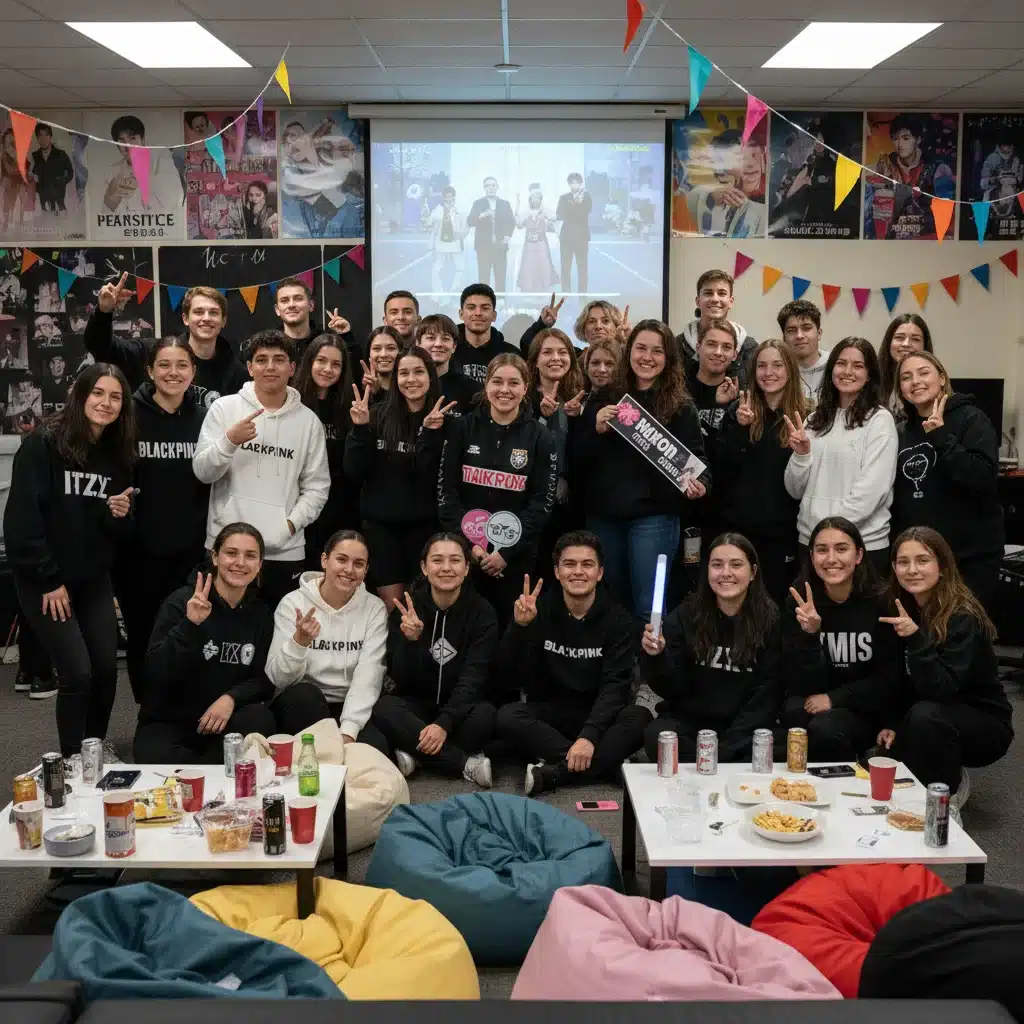
Challenges and Considerations for US Fandom
Despite its undeniable power, US Fandom Korean Entertainment also faces challenges and considerations that could impact its influence on 2026 awards:
Fandom Fatigue and Burnout
The intense dedication required for mass voting and streaming can lead to fan fatigue and burnout. Sustaining high levels of engagement across multiple artists and award seasons is demanding, and maintaining motivation will be key.
Anti-Fan Activities and Fandom Wars
The competitive nature of fandom can sometimes devolve into ‘fandom wars’ and anti-fan activities. These negative aspects can detract from the overall positive image of Korean entertainment and might even lead to voting boycotts or internal divisions within fandoms, potentially diluting collective power.
Algorithmic Changes and Platform Restrictions
Social media platforms and streaming services constantly update their algorithms and introduce new restrictions. US fans must remain agile and adapt their strategies to these changes to maintain their effectiveness in influencing metrics and voting.
Authenticity vs. Manufactured Hype
There’s a constant tension between genuine fan enthusiasm and perceived ‘manufactured hype.’ Award shows and the general public are becoming more discerning. The challenge for US fandom is to ensure their efforts are seen as authentic expressions of support rather than mere manipulation of systems.
Cultural Nuances and Misunderstandings
Despite increasing understanding, cultural nuances can still lead to misunderstandings between international fans and Korean entertainment companies or even among different global fanbases. Effective communication and cultural sensitivity will be crucial for cohesive global fan efforts.
Addressing these challenges will be vital for US Fandom Korean Entertainment to maintain and grow its influential position in the lead-up to the 2026 awards and beyond. It requires self-awareness, adaptability, and a continued commitment to positive and constructive engagement.
Conclusion: The Enduring Power of US Fandom
The indelible mark left by US Fandom Korean Entertainment on the global stage is a powerful narrative of cultural exchange, digital empowerment, and collective passion. As we anticipate the 2026 fan-voted awards, it is clear that American fans will continue to play a pivotal role in determining who receives recognition and accolades in both the K-Pop and K-Drama spheres.
Their sophisticated voting strategies, unparalleled social media presence, and significant economic contributions have transformed them from mere consumers into active participants in the success of Korean artists and productions. While the mechanisms of influence might differ slightly between music and drama, the underlying dedication and organizational prowess remain consistent.
The future promises even greater integration of fan power into award systems, alongside new challenges that require adaptability and resilience. The story of Hallyu in the United States is, in many ways, the story of its fandom – a dynamic, passionate, and ever-evolving force that continues to shape the trajectory of Korean entertainment on a global scale. The 2026 awards will not just celebrate artists; they will also implicitly celebrate the enduring power and influence of US Fandom Korean Entertainment.