K-Pop’s 2026 US Billboard Impact: Charting the Global Phenomenon
Anúncios
K-Pop’s 2026 US Billboard Impact: Charting the Global Phenomenon
The meteoric rise of K-Pop on the global stage has been nothing short of phenomenal. From niche genre to mainstream powerhouse, its influence continues to expand, particularly within the highly competitive US music market. As we look towards 2026, the question isn’t whether K-Pop will be present on the US Billboard charts, but rather, what will be the true extent of its dominance? This comprehensive analysis delves into the anticipated impact of K-Pop on US charts, comparing projected entries, analyzing fan engagement, and dissecting the cultural shifts driving this unprecedented success.
Anúncios
The Unstoppable Ascent: K-Pop’s Trajectory Towards 2026
The journey of K-Pop from a regional South Korean music scene to a global cultural phenomenon is a compelling narrative of strategic innovation, artistic versatility, and unparalleled fan dedication. While its roots trace back decades, the genre’s international breakthrough gained significant momentum in the late 2010s, with groups like BTS and BLACKPINK shattering preconceived notions about non-English music. Their success wasn’t merely a fleeting trend; it signaled a fundamental shift in global music consumption and an opening of the Western market to diverse sounds and aesthetics.
Looking ahead to 2026, the indicators suggest an even deeper entrenchment of K-Pop within the US music landscape. The genre has moved beyond individual breakout acts to establish a consistent presence across various Billboard charts, from the Hot 100 to the Billboard 200, and even genre-specific listings like World Albums. This sustained success is built upon several pillars: sophisticated production values, compelling visual content, innovative marketing strategies, and perhaps most crucially, an incredibly active and organized global fandom. The industry has recognized K-Pop not just as an exportable product, but as a blueprint for engaging a global audience in the digital age.
The expansion is not limited to established mega-groups. New generations of K-Pop artists are continually debuting, bringing fresh sounds and concepts that appeal to an ever-widening demographic. These groups often leverage social media platforms and direct fan communication channels from day one, fostering deep connections that translate into dedicated support for their music. This grassroots approach, combined with the polished professionalism synonymous with K-Pop, creates a powerful formula for sustained relevance and chart performance. The foundational work laid by predecessors has paved a smoother path for newer acts, allowing them to gain traction more rapidly in international markets.
Furthermore, collaborations between K-Pop artists and Western musicians have become increasingly common, serving as a bridge to new audiences and validating the genre’s artistic merit within the broader music industry. These partnerships often result in tracks that blend cultural styles, creating unique sounds that resonate with diverse listeners and frequently land on prominent playlists and charts. Such collaborations not only boost the profile of K-Pop artists but also introduce their extensive back catalogs to curious new fans, fueling further exploration and consumption. The cross-pollination of musical ideas enriches both genres and helps to break down perceived barriers.
Anúncios
The year 2026 is poised to be a landmark period for K-Pop’s integration into the US mainstream. With a robust pipeline of new talent, evolving promotional tactics, and an increasingly receptive American audience, the stage is set for K-Pop to achieve new heights of chart success and cultural influence. The genre’s ability to consistently reinvent itself while maintaining its core appeal ensures its longevity and continued expansion. The strategies employed by agencies to nurture talent and cultivate fan loyalty are continuously refined, promising an even more formidable presence on the global music scene. This ongoing evolution is critical to maintaining momentum and adapting to changing consumer preferences.
Decoding K-Pop US Charts: A 2026 Billboard Top 100 Projection
Predicting the exact number of K-Pop entries on the Billboard Top 100 in 2026 requires a look at current trends, historical data, and anticipated shifts in music consumption. Historically, K-Pop’s presence on the Hot 100 has been characterized by sporadic but impactful entries from a few dominant groups. However, the trajectory indicates a broadening base of artists achieving chart success.
In the early 2020s, K-Pop saw a significant increase in its representation, with multiple groups and solo artists breaking into the Top 40 and even the Top 10. This wasn’t solely driven by massive fan campaigns but also by genuine public interest, radio play, and strong streaming numbers. By 2026, it’s reasonable to project a more consistent and diverse presence. Instead of just a handful of groups making a splash, we anticipate a broader array of K-Pop acts, including both established powerhouses and emerging talents, securing spots on the Hot 100. The sheer volume of new music released within the K-Pop sphere ensures a constant flow of potential chart contenders.
Our projection for 2026 suggests that K-Pop could consistently occupy anywhere from 5 to 10 distinct spots on the Billboard Hot 100 throughout the year, with peak weeks potentially seeing even more. This isn’t just about individual songs; it’s about the sustained chart performance of multiple tracks from different artists. Furthermore, the Billboard 200 album chart is expected to see an even greater K-Pop presence, with numerous albums debuting and maintaining high positions, reflecting the strong album sales and streaming figures driven by dedicated fanbases.
The methodology behind these projections considers several factors:
- Increased Digital Consumption: The global shift towards streaming platforms continues to benefit K-Pop, as its international fanbase contributes directly to US chart metrics.
- Growing Radio Airplay: While still a hurdle, K-Pop tracks are gaining more traction on US radio, a crucial component for Hot 100 success.
- Strategic US Promotions: K-Pop agencies are becoming more adept at tailoring promotional strategies specifically for the US market, including media appearances, festival slots, and targeted advertising.
- Fanbase Expansion: The K-Pop fandom continues to grow and diversify, bringing in new listeners who then become active consumers of the music.
- Cross-Cultural Collaborations: These collaborations often open doors to wider audiences and increased chart visibility.
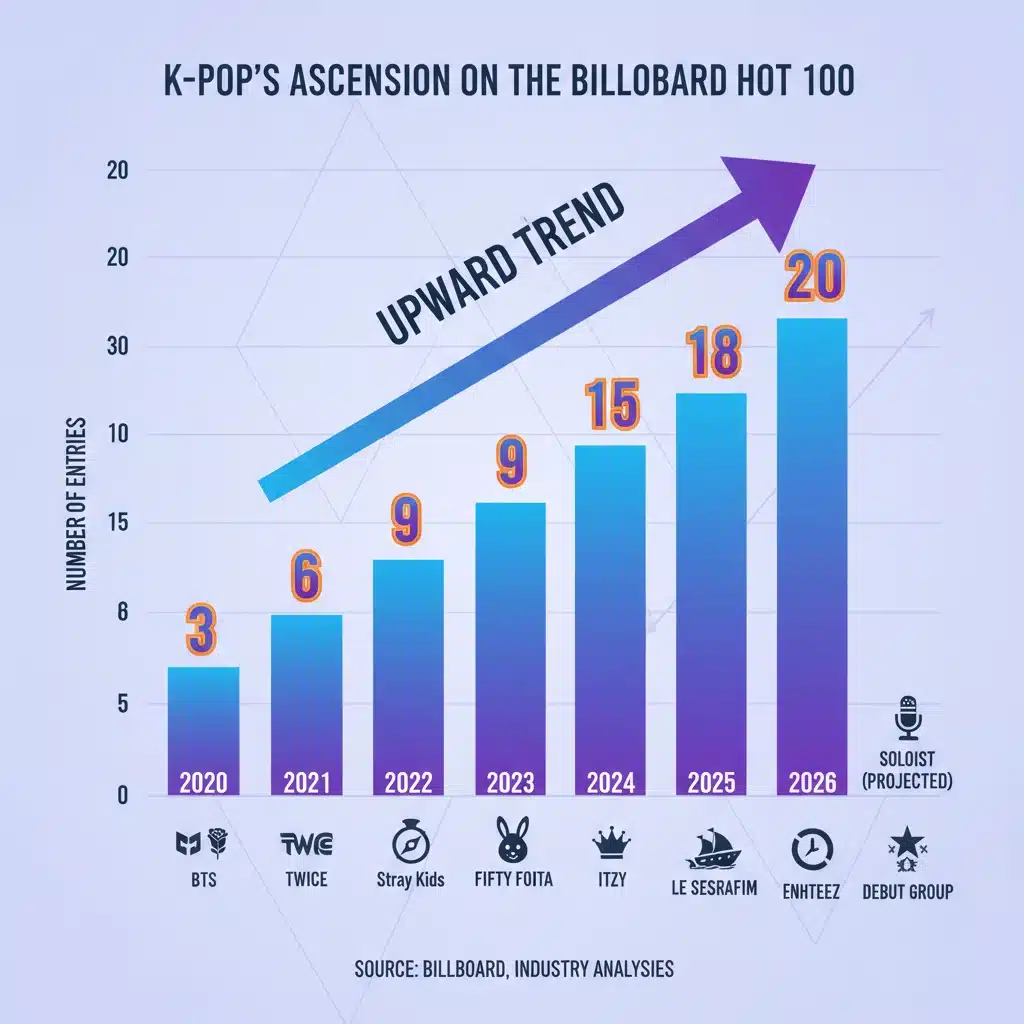
The comparison with previous years shows a clear upward trend. In 2020, a few K-Pop acts might have graced the Hot 100, but by 2026, it will likely be a regular occurrence for multiple artists. This evolution signifies a move from novelty to an established, integral part of the US music mainstream. The impact of K-Pop on US charts will be less about individual moments of triumph and more about a consistent, powerful presence that continually reshapes the sonic landscape.
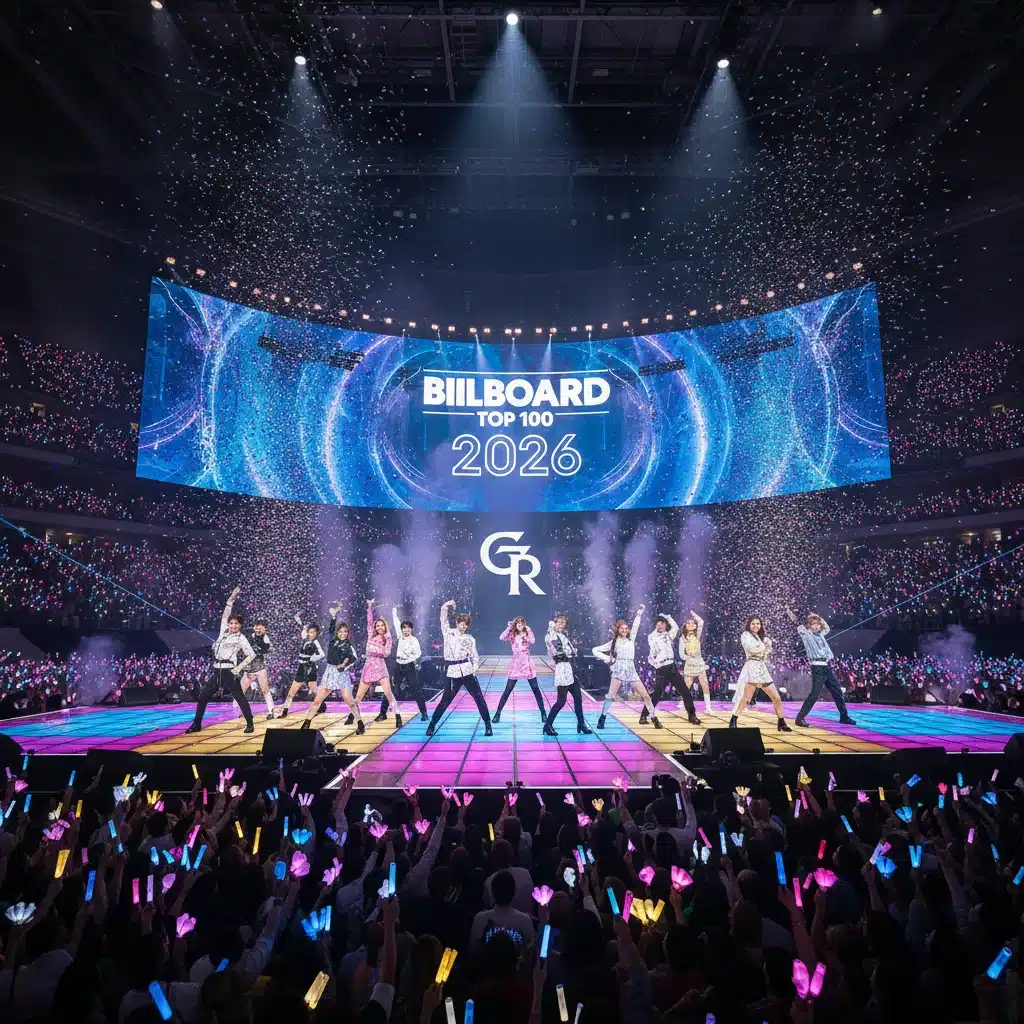
Fan Engagement: The Engine Behind K-Pop US Charts Success
The unparalleled success of K-Pop on the US Billboard charts cannot be discussed without highlighting the pivotal role of its fanbases. Unlike traditional music fandoms, K-Pop stans (a portmanteau of ‘stalker’ and ‘fan’) are highly organized, digitally savvy, and incredibly passionate. They are not merely passive listeners; they are active participants in their favorite artists’ careers, directly influencing chart performance through concerted efforts.
Strategic Streaming and Sales Campaigns
K-Pop fans are masters of digital strategy. When a new song or album is released, fan communities coordinate streaming parties, bulk-buy albums (often multiple copies for different versions and photocards), and organize mass downloads on various platforms. They meticulously track chart rules and implement strategies to maximize their artists’ visibility and ranking. This includes understanding the weight of different streaming services, digital sales, and radio requests in Billboard’s methodology. They don’t just listen; they strategize their listening to ensure maximum chart impact. This level of coordinated effort is rarely seen in other music genres and gives K-Pop artists a significant competitive edge.
Social Media Dominance and Trendsetting
Social media platforms are the primary battlegrounds for K-Pop fan engagement. Twitter, TikTok, Instagram, and YouTube are not just used for casual sharing but for creating viral trends, pushing hashtags, and amplifying official content. Fans generate massive amounts of user-generated content, from dance challenges to fan edits, which often introduce K-Pop to new audiences beyond the existing fandom. This organic, yet highly coordinated, digital footprint contributes significantly to the artists’ overall buzz and visibility, which in turn can translate into increased streams and sales from curious newcomers. The sheer volume of mentions and interactions can also influence trending topics, further boosting visibility.
Global Community and Collective Power
What makes K-Pop fandom truly unique is its global, interconnected nature. Fans from different countries collaborate on projects, share resources, and support each other’s efforts. This collective power means that when a K-Pop group releases new music, it’s not just a regional event but a worldwide phenomenon, with millions of fans simultaneously working towards a common goal. This global synchronization is particularly effective in driving up early streaming numbers and sales figures, which are crucial for strong chart debuts. The sense of community and shared purpose fosters an incredibly loyal and active consumer base.
Direct Artist-Fan Communication
Many K-Pop agencies and artists utilize proprietary platforms (like Weverse, Bubble) and established social media channels to communicate directly with their fans. This direct line of communication fosters a deep sense of loyalty and personal connection, making fans feel valued and integral to their artists’ success. This personal investment further motivates fans to support their idols through streaming, purchasing, and promoting their work, directly impacting K-Pop US Charts. The transparency and accessibility often create a bond that transcends typical celebrity-fan dynamics.
By 2026, these fan engagement strategies will only have become more sophisticated and widespread. As new technologies emerge, K-Pop fans will undoubtedly adapt and leverage them to maintain and amplify their artists’ presence on the Billboard charts. The dynamic between artist and fan in K-Pop is a symbiotic relationship, where fan dedication directly translates into tangible commercial and critical success, particularly in the highly competitive US market.
Beyond the Numbers: K-Pop’s Cultural Reshaping of US Music
The impact of K-Pop extends far beyond mere chart positions; it is actively reshaping the cultural landscape of US music. The genre’s influence is evident in fashion, dance, visual aesthetics, and even the very structure of how music is consumed and promoted in the digital age. By 2026, K-Pop will have solidified its role not just as a foreign import, but as an integral thread in the fabric of American popular culture.
Visuals and Performance Artistry
K-Pop has raised the bar for visual content in the music industry. Its meticulously produced music videos, synchronized choreography, and elaborate stage performances are now benchmarks. This emphasis on visual storytelling and high-quality production has influenced Western artists to invest more in their own visual presentations, recognizing that today’s audience expects a multi-sensory experience. The intricate dance routines, often requiring months of training, have also inspired a new generation of dancers and choreographers globally, leading to K-Pop dance challenges becoming a ubiquitous online phenomenon. This focus on performance value elevates the entire industry.
Fashion and Style Influence
K-Pop idols are trendsetters in global fashion. Their unique and often gender-fluid styling, collaborations with luxury brands, and bold experimentation with aesthetics have a significant ripple effect. From streetwear to high fashion, K-Pop has introduced new styles and looks to American youth culture, influencing everything from mainstream clothing brands to individual fashion choices. This cultural exchange contributes to a more diverse and accepting view of fashion and self-expression, breaking down traditional norms. The idols themselves become global fashion ambassadors, extending their reach beyond music.
Breaking Language Barriers and Promoting Diversity
Perhaps one of K-Pop’s most profound impacts is its ability to transcend language barriers. The success of Korean-language songs on US charts demonstrates that compelling music and performance can resonate universally, regardless of the lyrical language. This has opened doors for other non-English artists and genres, fostering a more diverse and inclusive music scene in the US. It challenges the long-held belief that English is a prerequisite for global success, encouraging listeners to explore music from different cultures and languages. This shift promotes cultural understanding and appreciation.
Redefining Artist-Fan Relationships
As previously discussed, K-Pop has redefined the artist-fan dynamic. The emphasis on community, direct communication, and shared experiences has influenced how Western artists and labels approach fan engagement. The model of highly interactive, dedicated fandoms is being studied and emulated, as the industry recognizes the power of a deeply invested audience. This shift towards more transparent and reciprocal relationships between artists and their supporters is a lasting legacy of K-Pop’s influence. It transforms fans from passive consumers into active stakeholders in an artist’s career.

Innovation in Music Production and Marketing
K-Pop production is known for its genre-bending sound, often incorporating elements of hip-hop, R&B, electronic music, and traditional Korean influences. This innovative approach to sound design and arrangement has inspired producers and artists worldwide to experiment more freely with musical fusion. Furthermore, K-Pop’s sophisticated marketing machinery, which includes elaborate concept teasers, reality shows, and comprehensive social media campaigns, has set new standards for how music is introduced and promoted in the digital age. These strategies are increasingly being adopted or adapted by Western artists and labels to build anticipation and engage audiences more effectively.
By 2026, K-Pop’s cultural impact will be undeniable, woven into the very fabric of American popular culture. It will continue to challenge norms, inspire creativity, and foster a more globally connected and diverse music landscape.
Challenges and Opportunities for K-Pop in 2026
While the outlook for K-Pop on US charts in 2026 is overwhelmingly positive, the path forward is not without its challenges and strategic opportunities. Sustaining growth in a dynamic market like the US requires continuous innovation and adaptation.
Navigating the Evolving Digital Landscape
The digital music landscape is constantly changing, with new platforms, algorithms, and consumption habits emerging regularly. K-Pop agencies and artists must remain agile, quickly adapting their strategies to leverage new technologies and maintain visibility. This includes understanding the nuances of platforms like TikTok, YouTube Shorts, and emerging metaverse environments, where fan engagement and content discovery are increasingly taking place. The ability to create short-form, viral content will be crucial for capturing new audiences. Furthermore, adapting to changes in streaming service payouts and chart methodology will be essential for continued chart success.
Maintaining Authenticity Amidst Mainstream Success
As K-Pop becomes more mainstream in the US, there’s a delicate balance to strike between appealing to a broader audience and maintaining the unique cultural identity and artistic integrity that made it popular in the first place. Over-westernization or diluting its core essence could alienate existing fans. The challenge lies in expanding reach without sacrificing authenticity, ensuring that the music and concepts remain fresh and distinctly K-Pop while still resonating globally. This requires careful artistic direction and a deep understanding of both cultures.
Expanding Radio Airplay
While K-Pop has made inroads, consistent and widespread radio airplay across various US formats remains a significant hurdle. Radio continues to be a powerful gatekeeper for mainstream success, especially for reaching audiences beyond the dedicated fandom. Efforts to secure more regular rotation on pop and rhythmic radio stations will be critical for elevating individual tracks from strong digital performers to bona fide mainstream hits. This involves strategic lobbying, building relationships with radio programmers, and potentially creating radio-friendly edits of songs. Overcoming this barrier will unlock a new level of chart performance for K-Pop US Charts.
Battling Market Saturation and Competition
The success of K-Pop has naturally led to an increase in new groups and solo artists debuting, both within Korea and globally. The sheer volume of new music vying for attention means that competition is fiercer than ever. K-Pop artists will need to continually innovate in terms of music, concepts, and fan engagement to stand out in a crowded market. This also includes competition from other global music genres that are also finding success in the US. Differentiation and a strong unique selling proposition will be paramount.
Opportunities for Deeper Cultural Integration
Beyond music, there are vast opportunities for K-Pop to further integrate into US culture. This includes more appearances in mainstream media (TV shows, movies), brand endorsements with major American companies, and even educational initiatives that explore Korean culture. These avenues can solidify K-Pop’s cultural footprint and introduce the genre to even wider, previously untapped audiences. Expanding into related industries can create a more holistic presence and ensure long-term relevance.
By proactively addressing these challenges and capitalizing on new opportunities, K-Pop is well-positioned not only to maintain but to significantly enhance its impact on the US Billboard charts by 2026, further cementing its status as a global music powerhouse.
Conclusion: K-Pop’s Enduring Legacy on US Music
The journey of K-Pop from an emerging sound to a dominant force on the US Billboard charts is a testament to its artistic merit, innovative strategies, and the unwavering dedication of its global fanbase. As we look towards 2026, the projections are clear: K-Pop’s presence on the Billboard Hot 100 and other US charts will not only be sustained but is expected to grow in both volume and diversity. The days of K-Pop being a ‘niche’ genre in the US are rapidly fading, replaced by an era where it stands as a formidable and influential player in the mainstream music industry.
The analysis of K-Pop US Charts reveals a powerful synergy between captivating music, visually stunning performances, cutting-edge marketing, and an unprecedented level of fan engagement. This combination has allowed K-Pop artists to break through traditional barriers, transcend language, and connect with millions of listeners across the United States. The genre has not only found success within existing frameworks but has also actively reshaped them, influencing everything from music production and visual aesthetics to fan interaction and global marketing strategies. Its impact is a blueprint for how music can achieve global resonance in the 21st century.
By 2026, K-Pop will have firmly established its enduring legacy on US music, not just as a passing trend but as a permanent fixture. Its continued evolution, coupled with the relentless passion of its artists and fans, ensures that K-Pop will remain a vibrant, dynamic, and indispensable part of the American musical landscape for years to come. The genre’s ability to consistently deliver high-quality content and foster deep connections with its audience guarantees its continued ascent, making the future of K-Pop on US charts an exciting prospect for artists, fans, and the industry alike.