Navigating K-Pop Merchandise: Avoiding Scams in the US Market 2026
Anúncios
Navigating the U.S. K-Pop Merchandise Market in 2026: Avoiding 3 Common Pitfalls for Collectors
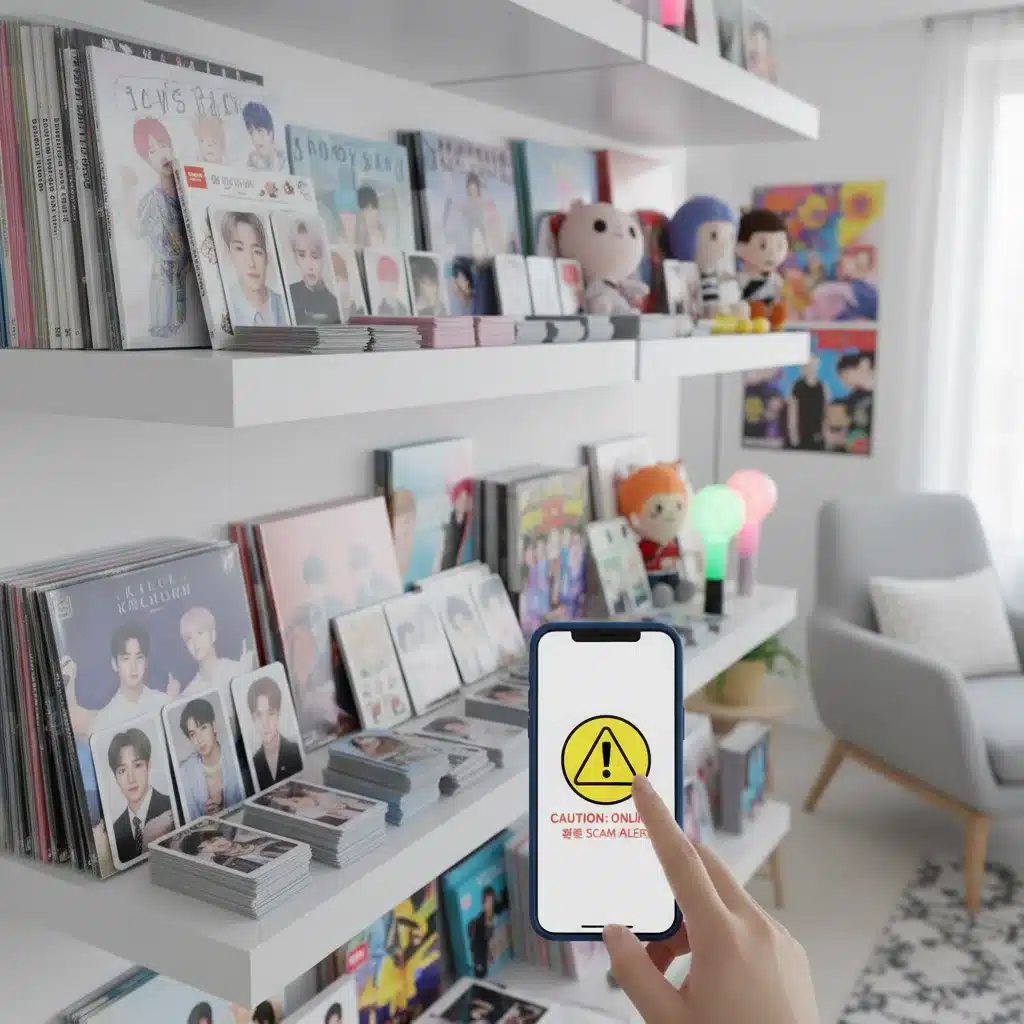
The rhythmic beats, mesmerizing choreography, and captivating personalities of K-Pop groups have taken the world by storm, and nowhere is this phenomenon more evident than in the United States. The demand for K-Pop merchandise in the U.S. has skyrocketed, transforming it into a multi-million dollar industry. From albums and lightsticks to photo cards and exclusive fan-club kits, collectors are constantly seeking to expand their cherished collections. However, with this booming market comes an unfortunate side effect: a fertile ground for scams and fraudulent activities. As we navigate the U.S. K-Pop merchandise market in 2026, understanding and avoiding these common pitfalls is paramount for every dedicated collector.
The allure of K-Pop merchandise is undeniable. It’s more than just an item; it’s a tangible connection to an artist, a piece of a shared cultural experience, and often, a valuable investment. This emotional and financial attachment makes collectors particularly vulnerable to deceit. Scammers, ever-evolving in their tactics, prey on enthusiasm, urgency, and sometimes, a lack of awareness about market standards. The landscape of online marketplaces, social media selling, and even in-person transactions can be a minefield if one is not adequately prepared. This comprehensive guide aims to arm you with the knowledge and strategies necessary to protect your hard-earned money and your precious collection from the most prevalent K-Pop merchandise scams in the U.S. market in 2026.
We’ll delve into the intricacies of identifying counterfeit goods, understanding the red flags of unreliable sellers, and navigating the often-treacherous waters of pre-orders and limited editions. By the end of this article, you will be equipped to make informed decisions, ensuring your K-Pop merchandise journey remains joyful and secure. Let’s embark on this crucial exploration to safeguard the passion that fuels the K-Pop fandom.
Anúncios
Pitfall 1: The Proliferation of Counterfeit K-Pop Merchandise
One of the most pervasive and frustrating K-Pop merchandise scams collectors face is the sale of counterfeit items. The market is flooded with convincing fakes, ranging from albums and photo cards to lightsticks and apparel. These counterfeits not only diminish the value of your collection but also support unethical manufacturing practices. Identifying genuine K-Pop merchandise can be challenging, especially for newer collectors, but there are distinct indicators to look out for.
Spotting Fake Albums and Photo Cards
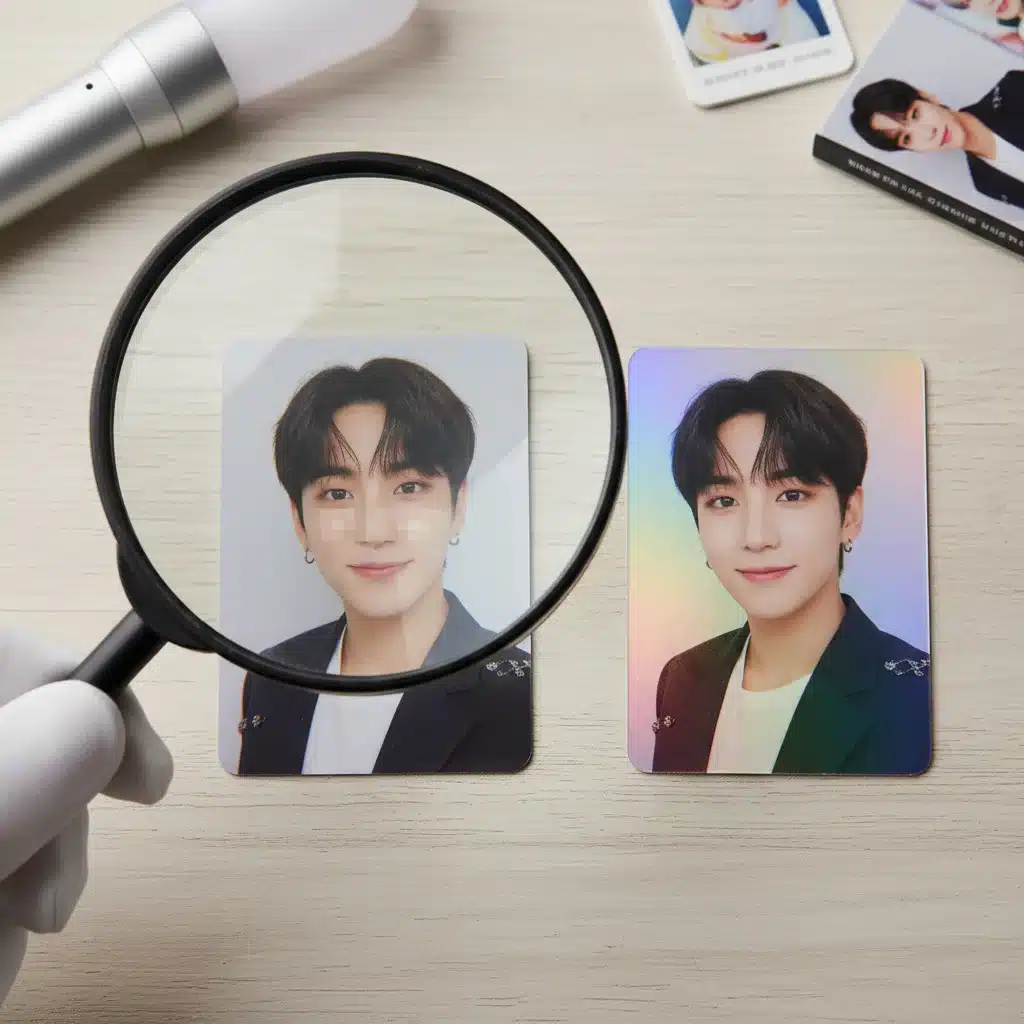
Albums are often the cornerstone of a K-Pop collection. Fake albums might look similar at first glance, but close inspection often reveals their true nature. Pay attention to the printing quality. Authentic albums typically have crisp, high-resolution images and text. Counterfeits often exhibit pixelation, blurry images, dull colors, or slight misalignments. The paper quality is another key indicator; genuine albums use high-quality paper stock, while fakes might feel thinner, flimsier, or have an unusual texture. Check for official holographic stickers or seals, which are common on legitimate products. While scammers can replicate these, the quality of the hologram itself might be inferior.
Photo cards are perhaps the most frequently counterfeited item due to their small size, high demand, and perceived rarity. Real photo cards typically have a specific cardstock weight, a smooth finish, and vibrant, accurate colors. Fake photo cards often feel thinner, have a glossy or overly matte finish, and display washed-out or oversaturated colors. Examine the edges for clean cuts; fakes sometimes have rough or uneven edges. If the photo card is meant to be double-sided, check for alignment issues. Also, be wary of sellers offering ‘rare’ photo cards at suspiciously low prices – if it seems too good to be true, it probably is.
Anúncios
Authenticating Lightsticks and Apparel
Lightsticks, an essential item for any concert-goer, are also a target for counterfeiters. Genuine lightsticks are manufactured with specific materials, often feature intricate designs, and connect to official apps for concert synchronization. Fake lightsticks might have cheaper plastic, faulty electronics, incorrect branding, or fail to connect to official apps. Always purchase lightsticks from official retailers or trusted K-Pop merchandise sources. For apparel, check the fabric quality, stitching, and official tags. Counterfeit clothing often uses cheaper materials, has poor stitching, and may lack proper branding or sizing tags.
Where to Buy Authentic K-Pop Merchandise
To mitigate the risk of encountering K-Pop merchandise scams, always prioritize purchasing from official sources. This includes the artist’s official store, the entertainment company’s official store (e.g., SM Global Shop, Weverse Shop, JYP Shop), and reputable licensed distributors in the U.S. (e.g., Target, Walmart, Barnes & Noble, Amazon’s official K-Pop storefronts). For secondary markets, exercise extreme caution and only deal with sellers who have a strong reputation and can provide proof of authenticity, such as purchase receipts or unboxing videos. Always research sellers thoroughly before making a purchase. The U.S. K-Pop merchandise market in 2026 is robust enough to offer many legitimate avenues.
Pitfall 2: Unreliable Sellers and Shady Online Practices
The digital age has opened up vast opportunities for K-Pop merchandise collectors, but it has also created a breeding ground for unreliable sellers and fraudulent online practices. Navigating platforms like eBay, Mercari, Depop, and various social media groups requires a keen eye and a healthy dose of skepticism. Many K-Pop merchandise scams originate from individuals or small-scale operations that prioritize profit over customer satisfaction or ethical conduct.
Identifying Red Flags in Seller Profiles
Before making any purchase from an unfamiliar seller, thoroughly vet their profile. Look for a consistent history of positive reviews and ratings. Be wary of new accounts with no feedback or accounts with a suspicious number of negative reviews, especially those mentioning unreceived items, damaged goods, or misrepresentation. Scammers often create new accounts to avoid negative feedback from previous victims. Check if the seller has a clear return policy or any information about their business. A lack of transparency is a major red flag.
Examine the product listings carefully. Are the photos clear, well-lit, and do they appear to be original? Scammers often use stock photos or images stolen from other sellers, which can be a sign of K-Pop merchandise scams. If the seller only provides one blurry photo or refuses to provide additional angles or proof of ownership upon request, proceed with caution. Inconsistent pricing – particularly prices that are significantly lower than the market average for a rare item – should also raise suspicion. While a good deal is enticing, an unbelievably good deal is usually a scam.
The Dangers of Pre-orders from Unverified Sources
Pre-orders are a significant part of the K-Pop merchandise experience, allowing fans to secure items before their official release. However, this also presents a prime opportunity for K-Pop merchandise scams. Unverified sellers offering pre-orders might collect money and then disappear, leaving buyers with nothing. Always pre-order from official stores or established, reputable K-Pop retailers that have a proven track record of fulfilling pre-orders. If a seller on a secondary market is offering a pre-order, they should be able to provide proof of their own pre-order from an official source.
Be extremely cautious of ‘group orders’ organized by individuals on social media platforms unless you personally know and trust the organizer. While many group order organizers are legitimate and provide valuable services, there are instances where organizers have vanished with collected funds. Look for organizers with a long history, transparent communication, and clear policies on refunds and disputes. Always use payment methods that offer buyer protection, such as PayPal Goods and Services, rather than irreversible methods like Zelle or Venmo, especially for large sums or from unknown individuals.
Shipping and Handling Scams
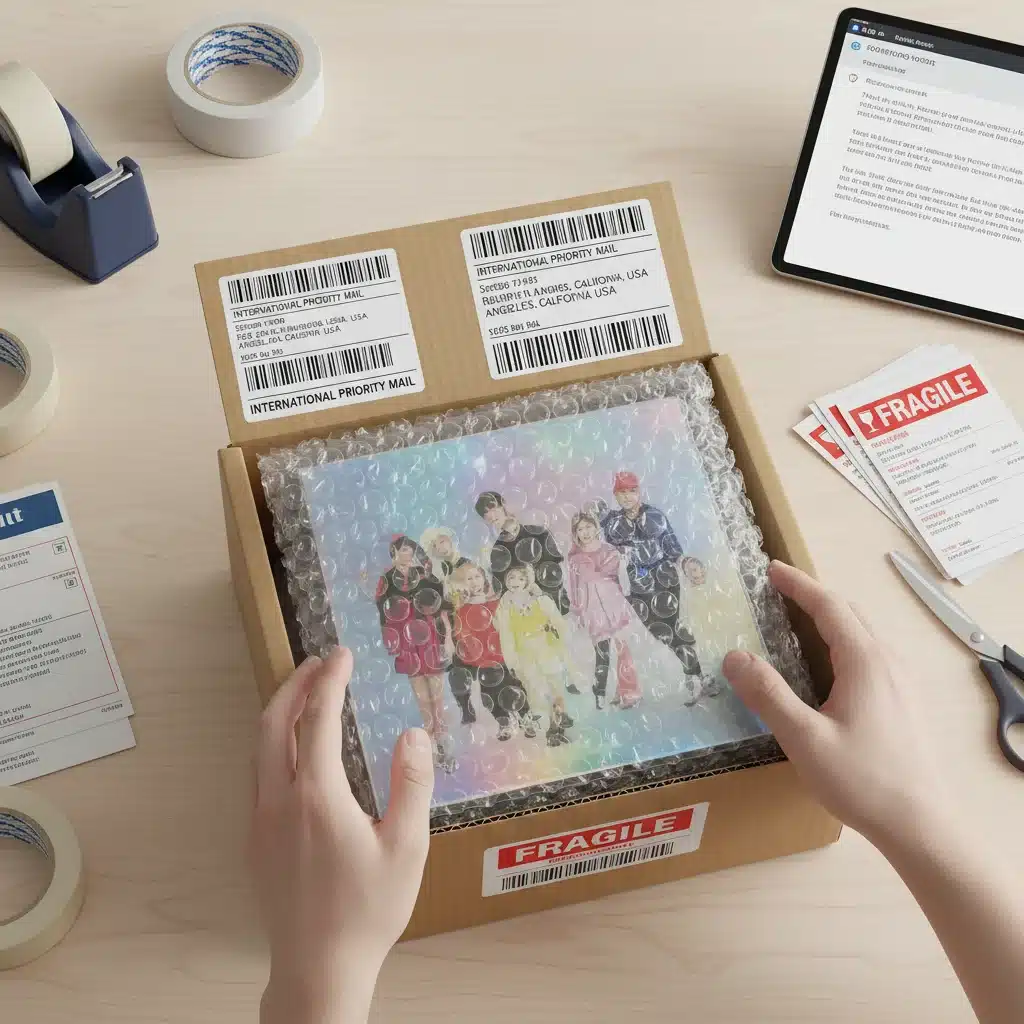
Even after a legitimate purchase, K-Pop merchandise scams can manifest in shipping and handling. Some sellers might charge exorbitant shipping fees that far exceed the actual cost, or they might claim to ship items that never arrive. Always check the seller’s shipping policies, tracking information, and estimated delivery times. If a seller provides a tracking number that doesn’t work or shows no updates for an extended period, contact them immediately. If they are unresponsive or evasive, it might be a sign of a scam. Additionally, some sellers might ship items with inadequate packaging, leading to damaged goods upon arrival. Always document the condition of the package and its contents upon receipt, especially for valuable items.
In the U.S. K-Pop merchandise market in 2026, understanding these subtle cues and exercising due diligence can save you from significant financial loss and emotional distress. Remember, a reputable seller values transparency and clear communication.
Pitfall 3: Misleading Listings and Damaged Goods
Beyond outright counterfeits and vanished sellers, a common and equally frustrating pitfall for K-Pop merchandise collectors involves misleading product descriptions and the intentional or negligent sale of damaged goods. This category of K-Pop merchandise scams often hinges on ambiguity, poor communication, and a seller’s reluctance to accurately represent the item’s condition.
The Deception of Misleading Product Descriptions
Sellers sometimes intentionally use vague or incomplete descriptions to hide flaws or misrepresent items. For example, an album might be listed as ‘mint condition’ when it has significant dents or scratches, or a photo card might be described as ‘official’ without providing any concrete proof. Always read the entire product description thoroughly, paying close attention to any disclaimers or notes about the item’s condition. If the description is minimal, ask for more details. A reputable seller will gladly provide additional information and be transparent about any imperfections.
Another tactic involves listing an item that is part of a set but only implying the sale of the full set. For instance, a listing might show a picture of an entire album with all inclusions, but the description might subtly state that only the photobook is for sale. Always clarify exactly what is included in the purchase before committing. Don’t assume anything based solely on images, as they can be deceiving. The U.S. K-Pop merchandise market in 2026 thrives on clear communication.
Dealing with Damaged Goods and Poor Packaging
Receiving damaged K-Pop merchandise is a heartbreaking experience for any collector. While some damage can occur during transit despite proper packaging, some sellers are negligent in their packaging practices, or worse, knowingly ship already damaged items. Always inspect product photos carefully for any signs of damage – dents, creases, scratches, or tears. If the photos are unclear, request more detailed images of specific areas, especially corners and edges which are prone to damage.
When an item arrives damaged due to poor packaging, it’s crucial to document everything. Take photos of the exterior of the package, the internal packaging, and the damaged item itself. This evidence is vital for filing a claim with the seller, the shipping carrier, or the platform where the purchase was made. Many sellers on platforms like eBay or Mercari specify that they are not responsible for damage during shipping, but if the damage is clearly due to inadequate protection (e.g., a photocard shipped in a paper envelope with no top loader), you may still have grounds for a dispute.
Protecting Yourself Against These Scams
To avoid these K-Pop merchandise scams, proactive measures are key. Firstly, always communicate clearly with the seller. Ask specific questions about the item’s condition, inclusions, and shipping methods. Save all communication as evidence. Secondly, utilize payment methods that offer buyer protection. PayPal Goods and Services is highly recommended as it allows you to dispute transactions and potentially recover funds if an item is not as described or never arrives. Avoid payment methods like friends and family options, bank transfers, or gift cards, as these offer little to no recourse in case of a scam.
Finally, upon receiving your K-Pop merchandise, record an unboxing video. This serves as irrefutable proof of the item’s condition upon arrival and can be invaluable in resolving disputes about damaged or missing items. This practice has become standard among seasoned collectors and is a powerful tool against K-Pop merchandise scams. By being diligent and thorough, you can significantly reduce your risk of falling victim to misleading listings and damaged goods in the U.S. K-Pop merchandise market.
General Best Practices for K-Pop Merchandise Collectors in 2026
Beyond addressing the three major pitfalls, adopting a set of general best practices will significantly enhance your safety and enjoyment as a K-Pop merchandise collector in the U.S. market in 2026. These practices revolve around research, community engagement, and proactive protection.
Do Your Research Diligently
Before making any significant purchase, especially for rare or expensive items, research is your best friend. Familiarize yourself with the typical pricing for the K-Pop merchandise you’re interested in. Understand the common variations, official releases, and any known counterfeit versions. Websites like YouTube, Reddit, and dedicated K-Pop fan forums often have detailed guides on how to spot fakes for specific items. Knowledge is your strongest defense against K-Pop merchandise scams.
Cross-reference information from multiple sources. If a seller claims an item is a limited edition, verify that claim through official fan sites or news outlets. Be wary of sellers who pressure you to make a quick purchase without allowing time for proper due diligence. Urgency is a common tactic used by scammers to prevent buyers from thinking critically.
Leverage the K-Pop Community
The K-Pop fandom is vast and often incredibly supportive. Engage with online communities on platforms like Reddit (e.g., r/kpopforsale, r/photocard), Discord, and Facebook groups dedicated to K-Pop trading and selling. These communities often have established rules, trusted seller lists, and forums where members can report K-Pop merchandise scams or ask for authentication help. Always check the ‘blacklist’ or ‘scammer list’ sections often maintained by these groups before engaging in a transaction.
Don’t hesitate to ask for second opinions. If you’re unsure about a seller or an item, post about it in a trusted community. Experienced collectors can often spot red flags that might be invisible to a newer fan. This collective knowledge is a powerful tool in safeguarding the community against fraudulent activities and ensuring that the U.S. K-Pop merchandise market remains a safe space.
Prioritize Secure Payment Methods
As mentioned earlier, always use payment methods that offer buyer protection. PayPal Goods and Services is widely regarded as the safest option for transactions with unknown individuals. While it incurs a small fee, this fee is a worthwhile investment for the peace of mind and potential recourse it provides. Avoid direct bank transfers, money orders, or payment apps that don’t offer buyer protection, especially when dealing with sellers you don’t personally know or who lack a strong, verifiable reputation.
If a seller insists on using a less secure payment method, it should be a significant warning sign. Legitimate sellers understand and respect the need for buyer protection, especially in a market prone to K-Pop merchandise scams. Never let the desire for a rare item override the importance of financial security.
Maintain Detailed Records
For every K-Pop merchandise purchase, keep thorough records. This includes screenshots of the product listing, seller’s profile, all communication with the seller, payment confirmations, and shipping information. If you receive an item, save the packaging until you’ve confirmed everything is in order. In the unfortunate event of a dispute or a scam, having comprehensive documentation will be crucial for making your case to payment processors or platform administrators.
These records serve as your safety net and can significantly increase your chances of a successful resolution if you encounter K-Pop merchandise scams. Being organized and meticulous might seem like extra effort, but it’s a small price to pay for protecting your investment and your passion.
The Future of K-Pop Merchandise Security in the U.S.
As the U.S. K-Pop merchandise market continues to grow and evolve into 2026 and beyond, so too will the methods of both legitimate sellers and scammers. Technology will play an increasingly important role in both authentication and fraud prevention. We may see more sophisticated holographic security features, NFC (Near Field Communication) tags embedded in merchandise for digital verification, and blockchain-based authentication systems for high-value collectibles. Platforms may also implement stricter seller verification processes and more robust buyer protection programs.
However, no technological solution can fully replace human vigilance. Collectors must remain educated, skeptical, and proactive. The collective effort of the K-Pop community – sharing information, reporting scams, and supporting ethical sellers – will be the most powerful force in maintaining a safe and enjoyable collecting environment. By understanding the common K-Pop merchandise scams outlined in this guide and consistently applying best practices, collectors can navigate the dynamic U.S. K-Pop merchandise market with confidence, ensuring their passion for K-Pop remains untainted by fraud.
Conclusion: Collecting K-Pop Merchandise Safely in 2026
The U.S. K-Pop merchandise market offers an exciting world of collectibles for fans, but it also harbors significant risks from K-Pop merchandise scams. From the deceptive allure of counterfeit goods to the cunning tactics of unreliable sellers and the frustration of misleading listings and damaged items, collectors face numerous challenges. However, by arming yourself with knowledge and adopting a vigilant approach, you can significantly mitigate these risks.
Remember to always prioritize official and reputable sources for your purchases. Develop a critical eye for identifying red flags in seller profiles and product descriptions. Never shy away from asking detailed questions and demanding proof of authenticity or condition. Most importantly, leverage the power of buyer protection through secure payment methods and maintain meticulous records of all your transactions. Engage with the broader K-Pop community, share experiences, and learn from others. Your fellow fans are often your best resource for identifying and avoiding potential K-Pop merchandise scams.
By following the guidance provided in this article, you can protect your financial investment and, more importantly, preserve the joy and passion that K-Pop brings into your life. Collecting K-Pop merchandise should be a rewarding experience, not a source of anxiety. Stay informed, stay vigilant, and happy collecting in the thriving U.S. K-Pop merchandise market of 2026!