The Ultimate 2026 Guide to Organizing a Successful K-Pop Fan Project in Major U.S. Cities
Anúncios
The Ultimate 2026 Guide to Organizing a Successful K-Pop Fan Project in Major U.S. Cities
The global phenomenon of K-Pop continues its exponential growth, captivating millions of fans worldwide. In the United States, the fervor is palpable, with major cities becoming hotbeds for K-Pop concerts, fan gatherings, and elaborate fan projects. As we look towards 2026, the landscape for K-Pop events in the U.S. is set to become even more dynamic and exciting. For dedicated fans aiming to show their unwavering support and create unforgettable moments for their beloved idols, organizing a successful K-Pop fan project is a deeply rewarding endeavor. This comprehensive guide provides an in-depth roadmap for planning, executing, and celebrating impactful K-Pop fan projects in major U.S. cities, ensuring your efforts resonate with both the artists and the wider fandom. We’ll delve into every crucial aspect, from initial concept development to post-event reflection, all designed to help you create a truly memorable K-Pop fan project experience.
Understanding the Essence of a K-Pop Fan Project
Before diving into the nitty-gritty of planning, it’s essential to grasp the core purpose of a K-Pop fan project. At its heart, a K-Pop fan project is a collective effort by fans to express love, appreciation, and support for their favorite K-Pop group or idol. These projects can range from simple banner displays to elaborate stadium-wide events, often timed with concerts, comebacks, or special anniversaries. The goal is to create a powerful, unified message that is visible and impactful, often catching the attention of the idols themselves and creating lasting memories for everyone involved. A well-executed K-Pop fan project strengthens the bond within the fandom and showcases the dedication of the fan base to the artists.
Anúncios
Types of K-Pop Fan Projects
The diversity of K-Pop fan projects is vast, offering numerous avenues for creative expression and collective support. Understanding the different types can help you choose the most suitable option for your resources and goals. Here are some common examples:
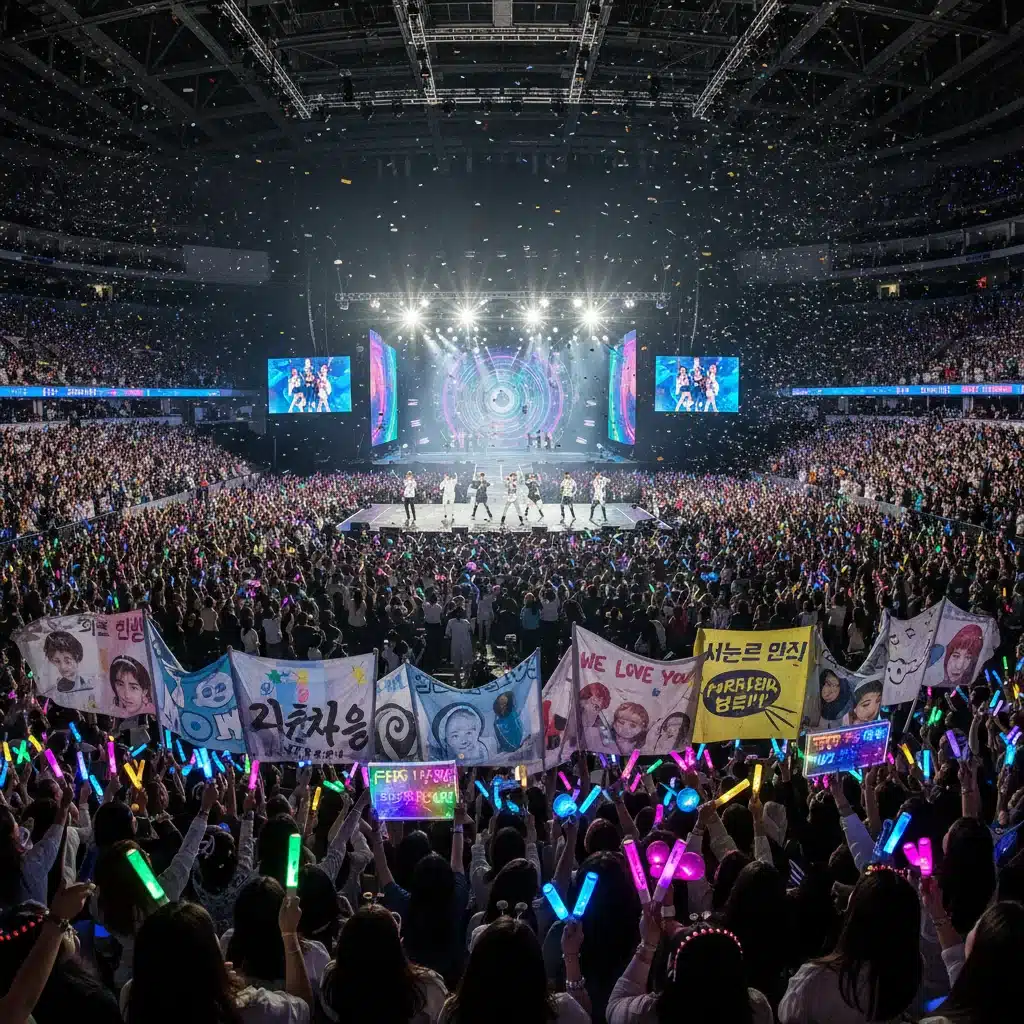
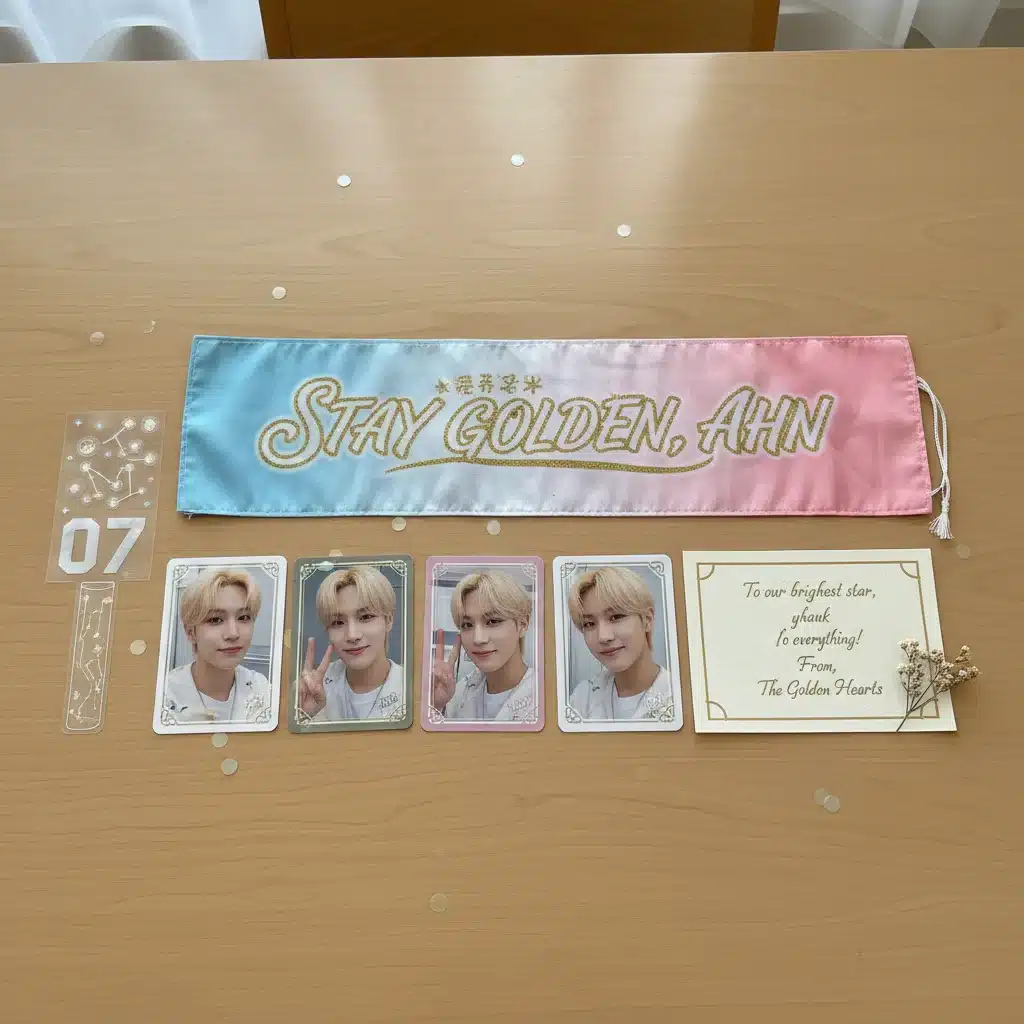
- Banner Projects: Fans hold up pre-designed banners with messages of support at a specific moment during a concert. These are often coordinated to be held up simultaneously, creating a powerful visual.
- Lightstick Ocean Projects: Coordinating specific lightstick colors or patterns across an entire arena to create a mesmerizing ‘ocean’ of light. This requires significant coordination and communication.
- Fanchant Guides: Distributing guides for official fanchants to ensure a unified and loud fan presence during performances.
- Gift Projects: Organizing collective gifts for idols, often delivered through official channels or event organizers. This requires careful consideration of agency policies.
- Charity Projects: Donating to a charity in the idol’s name, often timed with birthdays or anniversaries, showcasing a positive impact of the fandom.
- Café Events/Pop-ups: Renting out a café space to decorate with idol-themed merchandise, offer special drinks, and create a gathering spot for fans. These are particularly popular in major U.S. cities with large K-Pop communities.
- Video Message Compilations: Collecting video messages from fans and compiling them into a short film to be shown to the idols.
- Social Media Hashtag Trends: Coordinating mass tweeting or social media campaigns to trend specific hashtags, often for comebacks or awards.
Each type of K-Pop fan project has its own set of challenges and rewards. The key is to select a project that aligns with your team’s capabilities, budget, and the specific event you’re targeting. For 2026, with K-Pop’s increasing popularity, the potential for innovative and large-scale projects in major U.S. cities is immense.
Phase 1: Conceptualization and Initial Planning for Your K-Pop Fan Project
The foundation of any successful K-Pop fan project lies in meticulous planning. This initial phase is crucial for laying the groundwork and ensuring a smooth execution later on. Remember, a well-thought-out plan can prevent countless headaches down the line.
Defining Your Vision and Goals
What do you want to achieve with your K-Pop fan project? Is it to celebrate an idol’s birthday, commemorate a group’s anniversary, or create a special moment at a concert? Clearly define your objectives. For instance, a goal could be to have 80% of a section hold up a specific banner during a particular song, or to raise $500 for a charity in the idol’s name. Having clear goals will guide all subsequent decisions for your K-Pop fan project.
Anúncios
Choosing Your Target City and Event (2026 Focus)
Major U.S. cities like Los Angeles, New York, Chicago, Dallas, Atlanta, and Miami are prime locations for K-Pop events. In 2026, these cities will likely continue to be major tour stops. Consider:
- Artist Tour Schedule: Keep an eye on potential 2026 tour announcements.
- Venue Size and Policies: Larger venues might have stricter rules regarding fan projects. Research venue regulations beforehand.
- Local Fandom Presence: Choose a city with a strong, organized local fandom that can help with on-the-ground support.
- Accessibility: Consider how easily fans can travel to and participate in the K-Pop fan project.
Assembling Your Dream Team
You can’t do it alone! A dedicated and organized team is vital for a successful K-Pop fan project. Look for individuals with diverse skills:
- Project Manager: Oversees all aspects, keeps everyone on track.
- Design/Creative Lead: Handles banner designs, social media graphics, etc.
- Communications/Social Media Lead: Manages online outreach, updates, and community engagement.
- Logistics Coordinator: Deals with printing, distribution, and on-site arrangements.
- Treasurer: Manages finances, tracks donations and expenses.
Clearly define roles and responsibilities to avoid confusion. Regular team meetings (even virtual ones) are crucial for progress updates and problem-solving. This collaborative effort is what makes a K-Pop fan project truly special.

Budgeting and Fundraising
Financial planning is a critical component of any K-Pop fan project. Even seemingly simple projects can incur costs for materials, printing, shipping, and venue fees. Create a detailed budget outlining all potential expenses. Common fundraising methods include:
- Donations: Set up a transparent donation platform (e.g., PayPal, Kofi). Clearly state where the funds will go.
- Merchandise Sales: Sell fan-made merchandise (e.g., photocards, keychains) to raise funds. Ensure designs are original and do not infringe on copyrights.
- Online Auctions: Auction off donated K-Pop merchandise or fan art.
Transparency is key. Regularly update donors on how their contributions are being used, and if possible, provide a financial report after the K-Pop fan project concludes.
Phase 2: Design, Production, and Communication for Your K-Pop Fan Project
Once your initial plans are in place, it’s time to bring your K-Pop fan project to life through design, production, and effective communication.
Designing Your Project Elements
Whether it’s a banner, a lightstick decal, or a special handout, design matters. The visual impact of your K-Pop fan project can significantly enhance its success. Engage your design lead to create eye-catching and meaningful graphics. Consider:
- Clarity: Messages should be short, sweet, and easy to read from a distance.
- Aesthetics: Use colors and fonts that align with the idol’s or group’s aesthetic.
- Copyright: Be mindful of using official logos or copyrighted images without permission. Fan art is often a safer and more creative alternative.
- Durability: For physical items like banners, choose materials that can withstand being held up for extended periods.
Production and Procurement
This phase involves getting your physical materials ready. Research local printers or online vendors. Obtain quotes and compare prices for quality and turnaround time. If your K-Pop fan project involves assembling kits, plan for the time and effort required for packaging. Remember to factor in shipping costs and delivery times, especially for large orders. For a 2026 event, starting this process several months in advance is highly recommended to avoid last-minute rushes.
Establishing Communication Channels
Effective communication is paramount for a successful K-Pop fan project. You need to reach as many fans as possible to ensure participation. Utilize various platforms:
- Social Media: Twitter, Instagram, Facebook, and even TikTok are essential for reaching K-Pop fans. Create dedicated accounts or use existing fan accounts.
- Fan Communities: Engage with local K-Pop fan groups, forums, and Discord servers.
- Website/Blog: A simple website or blog post can serve as a central hub for information, FAQs, and updates.
- Email Lists: For larger projects, consider setting up an email list for direct updates.
Your communication strategy should include:
- Clear Instructions: How to participate, when, where, and what to do.
- FAQs: Address common questions proactively.
- Updates: Keep fans informed about progress, changes, and important deadlines.
- Call to Action: Encourage sharing and active participation in the K-Pop fan project.
Phase 3: Execution and On-Site Management for Your K-Pop Fan Project
The day of the event is here! This phase is about putting your meticulous planning into action and managing any unforeseen circumstances with grace and efficiency. The success of your K-Pop fan project hinges on smooth execution.
Pre-Event Distribution and Briefing
If your K-Pop fan project involves physical items (banners, lightstick covers, etc.), plan a clear distribution strategy. This could include:
- Designated Pickup Points: Set up tables outside the venue at specific times.
- Volunteer Distribution: Have volunteers circulate within the venue (if permitted) to hand out materials.
- Pre-Mailing: For very large-scale projects, some teams pre-mail materials to participants.
Provide clear, concise instructions to participants. A small printed card with instructions or a QR code linking to a video tutorial can be very helpful. Brief your volunteers thoroughly on their roles, the timing of the K-Pop fan project, and how to handle common questions or issues.
On-Site Coordination and Problem Solving
Even with the best planning, things can go awry. Have a contingency plan. Appoint a few key individuals as on-site coordinators who can make quick decisions. Equip them with contact lists, extra materials, and solutions for common problems (e.g., running out of banners, confused participants). Maintain a positive and encouraging attitude, even under pressure. Remember, this K-Pop fan project is about creating joy.
Engaging with Venue Staff and Security
This is a critical, often overlooked, aspect. Before the event, try to communicate with the venue staff or concert organizers about your K-Pop fan project. Some venues are more accommodating than others. Being transparent and respectful can often lead to smoother execution. Understand and adhere to all venue rules regarding signs, banners, and distribution of materials. This can prevent your project from being confiscated or shut down. A good relationship with venue staff can be invaluable for future K-Pop fan project endeavors.
Phase 4: Post-Project Evaluation and Appreciation for Your K-Pop Fan Project
The K-Pop fan project doesn’t end when the concert does. The post-event phase is crucial for evaluating success, showing gratitude, and preserving memories. This is where you solidify the positive impact of your K-Pop fan project.
Collecting Feedback and Media
Gather photos and videos from participants. Encourage fans to share their experiences using a designated hashtag. This creates a collective memory and allows you to compile a comprehensive record of the K-Pop fan project. Internally, gather feedback from your team and volunteers. What went well? What could be improved for next time? This reflective process is vital for growth.
Sharing the Success and Expressing Gratitude
Compile a recap video or photo album of the K-Pop fan project. Share it widely on social media and within fan communities. Tag the artists (if appropriate and respectful) and their agencies. This not only celebrates your achievement but also allows those who couldn’t attend to feel part of the experience. Publicly thank your team, volunteers, and all participants and donors. Acknowledgment fosters goodwill and encourages future participation in K-Pop fan projects.
Financial Transparency (If Applicable)
If you raised funds, provide a final financial report. Detail all income and expenses. If there are leftover funds, clearly state how they will be used (e.g., donated to charity, saved for the next K-Pop fan project, refunded proportionally). Transparency builds trust within the fandom.
Archiving and Lessons Learned
Document your entire K-Pop fan project process. Keep records of designs, communications, budgets, and challenges encountered. This archive will be an invaluable resource for future projects. Analyze what worked and what didn’t. Did the banner message resonate? Was distribution efficient? Were there unexpected costs? These lessons will refine your approach for subsequent K-Pop fan projects, making each one more successful than the last.
Legal and Ethical Considerations for K-Pop Fan Projects in the U.S.
While K-Pop fan projects are driven by passion, it’s crucial to operate within legal and ethical boundaries, especially when organizing events in major U.S. cities where regulations can be strict.
Venue Policies and Local Ordinances
Always research and adhere to venue rules regarding fan materials. Many venues have restrictions on banner sizes, types of signs (e.g., no poles, no flashing lights), and distribution of items. Violating these rules can lead to confiscation of materials or even removal from the venue. Additionally, be aware of local city ordinances regarding public gatherings, permits for distribution, and noise levels if your K-Pop fan project extends outside the concert venue.
Copyright and Intellectual Property
Using official group logos, album art, or copyrighted images without permission can lead to legal issues. When designing materials for your K-Pop fan project, prioritize original fan art or creative interpretations. If using lyrics, ensure they are correctly attributed. When selling merchandise to fundraise, be extremely careful not to infringe on the artists’ or agencies’ intellectual property. Creating original designs inspired by the group is generally safer than directly replicating official merchandise.
Safety and Accessibility
Ensure your K-Pop fan project does not pose a safety hazard. Banners should not obstruct views or emergency exits. Distribution methods should not create bottlenecks or stampedes. Consider accessibility for all fans, including those with disabilities. If your project involves a gathering, think about crowd control and emergency procedures. The well-being of participants should always be a top priority for any K-Pop fan project.
Respectful Fandom Etiquette
While passion is good, respect is paramount. Ensure your K-Pop fan project promotes positive fan culture. Avoid projects that could be seen as intrusive, demanding, or disrespectful to the artists, other fandoms, or the general public. Focus on messages of love, support, and appreciation. A positive K-Pop fan project reflects well on the entire fandom and the artists themselves.
The Future of K-Pop Fan Projects in U.S. Cities (2026 and Beyond)
As K-Pop continues its upward trajectory in the U.S., the nature of fan projects is also evolving. In 2026, we can expect to see even more sophisticated and technologically integrated K-Pop fan project initiatives.
Technological Integration
Expect more use of augmented reality (AR) filters for social media, interactive digital displays, and perhaps even coordinated drone light shows (with proper permits) for large-scale outdoor K-Pop fan projects. Apps designed for fan coordination and real-time updates will become more common, streamlining communication for even the largest K-Pop fan project.
Increased Collaboration and Professionalism
Fan groups are becoming more organized and professional. We’ll likely see more collaborations between different fan bases for multi-group events or joint charity efforts. The level of planning and execution for a K-Pop fan project will continue to rise, mirroring the professionalism of the K-Pop industry itself.
Greater Emphasis on Inclusivity and Impact
Fandoms are increasingly aware of the importance of inclusivity. Future K-Pop fan projects will likely prioritize making events accessible to all fans, regardless of background or ability. There will also be a continued focus on projects with positive social impact, such as charity drives or environmental initiatives, showcasing the power of K-Pop fandoms for good.
Conclusion: Your Path to a Memorable K-Pop Fan Project
Organizing a K-Pop fan project is a journey that requires dedication, creativity, and teamwork. By following this comprehensive 2026 guide, you are well-equipped to navigate the complexities of planning and executing a successful event in major U.S. cities. From the initial spark of an idea to the final moments of celebration, every step contributes to creating an unforgettable experience for your idols and fellow fans. Remember to prioritize clear communication, meticulous planning, and a spirit of collaboration. The joy of seeing your collective effort bring a smile to an idol’s face or unite a sea of lightsticks is an unparalleled reward. Embrace the challenge, connect with your fandom, and make your 2026 K-Pop fan project a shining success that reverberates through the K-Pop community. Your passion has the power to create magic.