K-Pop Comebacks Mid-2026: Analyzing the Potential 15% Boost in Fan Engagement for US Audiences
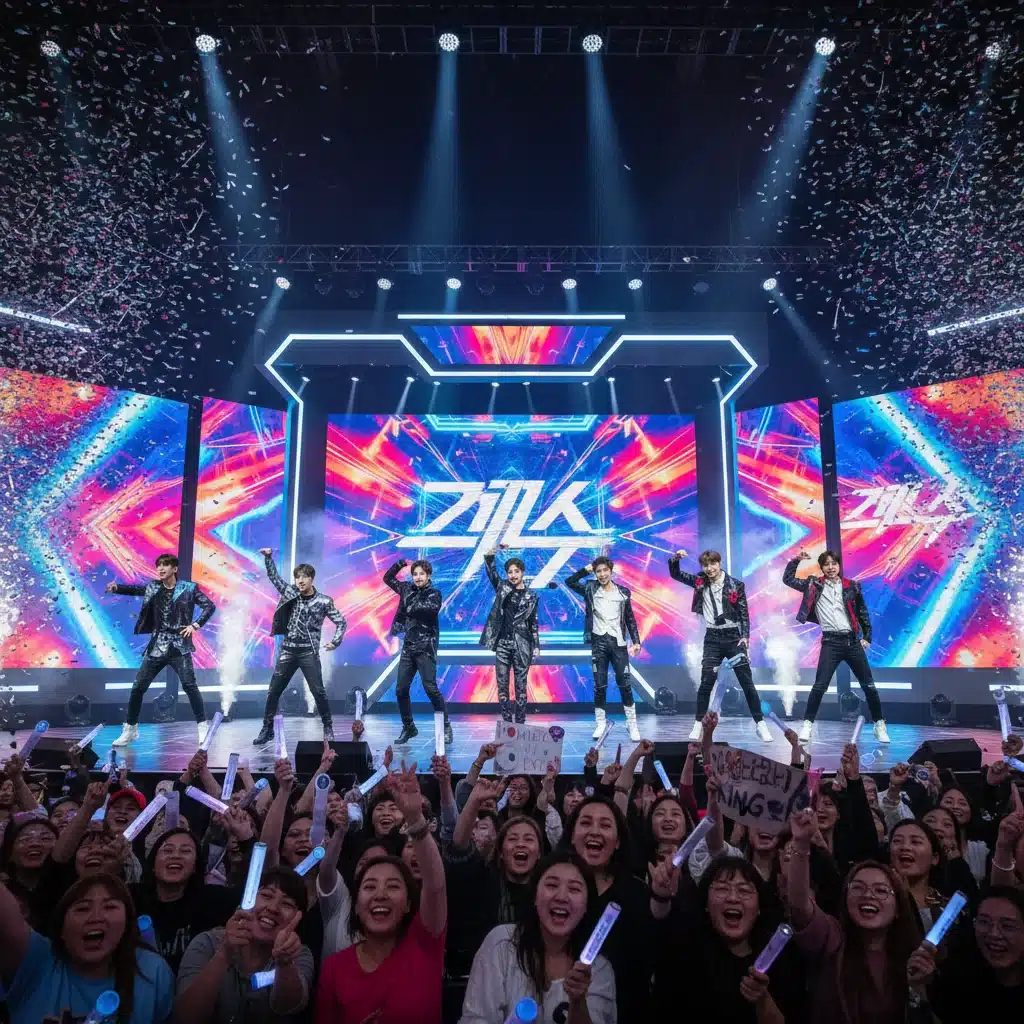
The global phenomenon of K-Pop continues its meteoric rise, captivating audiences worldwide with its unique blend of catchy melodies, intricate choreographies, and compelling visual aesthetics. As we look towards mid-2026, the anticipation for upcoming K-Pop comebacks 2026 is already reaching fever pitch, particularly within the crucial US market. Industry analysts and fan communities alike are predicting a significant surge in engagement, with some projections indicating a potential 15% boost in fan interaction and participation from US audiences. This article delves deep into the factors driving this expected growth, highlighting the groups poised to make the biggest impact and exploring the strategies that could cement K-Pop’s dominance in the Western music landscape.
The Evolving Landscape of K-Pop in the US Market
The United States has long been a challenging yet highly lucrative market for international music acts. K-Pop, however, has managed to break through traditional barriers, establishing a robust and dedicated fanbase. This success isn’t accidental; it’s the result of strategic marketing, innovative content creation, and the inherent appeal of K-Pop’s diverse offerings. From the early breakthroughs of groups like Wonder Girls and Girls’ Generation to the global domination of BTS and BLACKPINK, each era has built upon the last, paving the way for sustained growth. The mid-2020s represent a pivotal moment, as newer generations of K-Pop acts mature and established groups continue to reinvent themselves. Understanding the nuances of US fan engagement is paramount to predicting the impact of upcoming K-Pop comebacks 2026.
Anúncios
Factors Driving Increased US Fan Engagement
Several convergent factors contribute to the projected 15% increase in US fan engagement. Firstly, the omnipresence of social media platforms has democratized content consumption and fan interaction. K-Pop agencies have masterfully leveraged platforms like X (formerly Twitter), Instagram, TikTok, and YouTube to create direct lines of communication with fans, offering behind-the-scenes glimpses, live streams, and interactive challenges. This constant engagement fosters a sense of community and personal connection, making fans feel more invested in their favorite groups. Secondly, the increasing accessibility of K-Pop content through streaming services and dedicated fan apps means that fans can easily access music, videos, and exclusive content, regardless of geographical location. This ease of access removes barriers and encourages deeper immersion into the K-Pop ecosystem. Thirdly, the growing cultural acceptance and mainstream media coverage of K-Pop in the US have normalized its presence. Collaborations with Western artists, appearances on major talk shows, and features in prominent publications have introduced K-Pop to wider audiences, converting casual listeners into devoted fans.
Anticipated K-Pop Comebacks in Mid-2026: Groups to Watch
While specific comeback schedules for mid-2026 are still under wraps, based on typical industry cycles, group contract renewals, and current trajectories, we can identify several acts whose potential K-Pop comebacks 2026 are likely to significantly contribute to the projected 15% boost in US fan engagement. These groups represent a mix of established powerhouses and rising stars, each bringing their unique flavor to the global stage.
The Return of Established Titans
Groups that have already cemented their status as global icons often generate immense excitement with each new release. Their extensive fanbases are highly active and influential, capable of driving massive streaming numbers, social media trends, and merchandise sales. A comeback from a group like BTS, even if it involves individual member releases or a sub-unit, would undoubtedly send shockwaves through the industry. Their unparalleled global reach and dedicated ARMY fanbase ensure that any new music would be met with overwhelming enthusiasm, particularly in the US. Similarly, a full-group comeback from BLACKPINK, known for their powerful girl crush concept and high-fashion appeal, would ignite their BLINKs and attract significant media attention. Their releases consistently break records and set new trends, making them key players in boosting overall engagement.
The Ascendance of Next-Generation Leaders
Beyond the established giants, several next-generation groups are rapidly building their international presence and are poised to become the next wave of K-Pop leaders. Groups like Stray Kids, with their self-producing prowess and intense performances, have cultivated a fiercely loyal fanbase in the US. Their innovative sound and relatable lyrics resonate deeply with younger audiences. A mid-2026 comeback from them could see a substantial increase in engagement, building on their consistent growth. Another group to watch is TXT (Tomorrow X Together), known for their imaginative concepts and strong vocal performances. Their storytelling and youthful energy appeal to a broad demographic, and a strategically timed comeback could further solidify their position in the US market. For girl groups, IVE and NewJeans have demonstrated incredible momentum since their debuts. IVE’s elegant and confident image, combined with their viral hits, has garnered them a significant following. NewJeans, with their refreshing ‘easy listening’ sound and unique aesthetic, have captured the attention of both K-Pop and mainstream music critics. Any new music from these groups in mid-2026 would likely translate into heightened fan activity and increased media visibility.
Anúncios
The Power of Surprise and Innovation
Sometimes, the biggest boost in engagement comes from unexpected comebacks or innovative concepts from groups that are rapidly gaining traction. Agencies are constantly scouting for new talent and developing fresh sounds. A dark horse group, perhaps one that debuted in late 2024 or early 2025, could achieve breakout success with a mid-2026 comeback if their music and concept strike a chord with the evolving tastes of US audiences. The industry is dynamic, and the ability to adapt and innovate is crucial. These surprise successes often benefit from viral trends on TikTok and other short-form video platforms, quickly expanding their reach and drawing in new fans. The element of surprise, coupled with high-quality music and captivating visuals, can be a powerful catalyst for engagement.
Strategies for Maximizing the 15% Engagement Boost
Achieving and exceeding the projected 15% boost in US fan engagement requires more than just releasing good music. It demands a multifaceted strategy that encompasses digital marketing, fan interaction, and cultural understanding. K-Pop agencies are increasingly sophisticated in their approach, tailoring campaigns to specific regional markets while maintaining global appeal.
Hyper-Targeted Digital Campaigns
Modern marketing relies heavily on data-driven insights. For K-Pop comebacks 2026, agencies will likely employ hyper-targeted digital campaigns that leverage analytics to understand US fan demographics, preferences, and online behavior. This includes optimizing content for different platforms, running localized advertisements, and collaborating with US-based influencers and content creators. Engaging with popular fan accounts and communities directly can also amplify reach and foster organic growth. Pre-release content, such as concept photos, video teasers, and highlight medleys, will be strategically rolled out to build anticipation and generate buzz across social media.
Enhanced Fan Interaction and Community Building
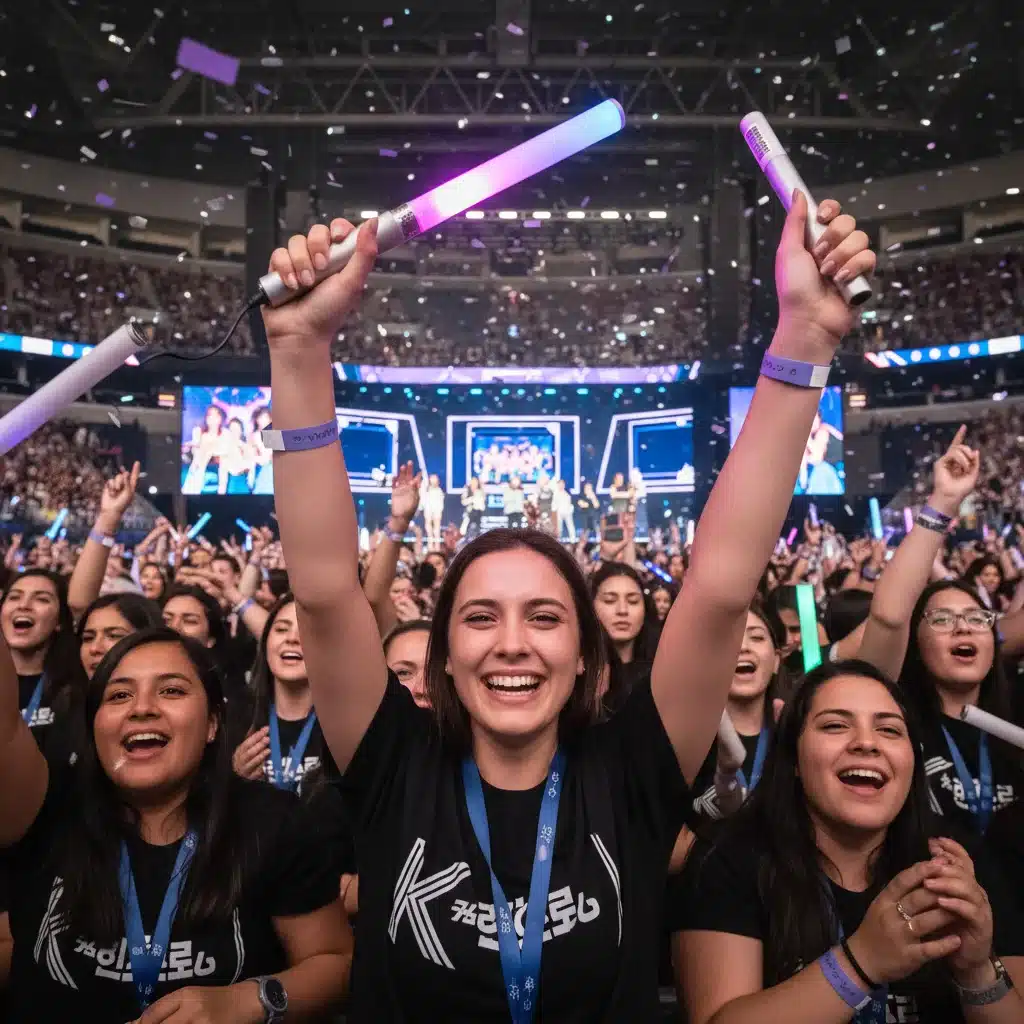
The strength of K-Pop fandoms lies in their collective power and sense of community. Agencies can further empower this by creating more opportunities for direct fan interaction. This could include interactive live streams, Q&A sessions, fan call events, and even virtual reality (VR) or augmented reality (AR) experiences that bring fans closer to their idols. Exclusive content for fan club members, such as behind-the-scenes footage or personalized messages, can also deepen loyalty. Furthermore, encouraging fan-generated content, such as dance covers, reaction videos, and fan art, not only promotes the group but also makes fans feel like active participants in the comeback process.
Strategic Collaborations and Mainstream Crossover
Collaborations with prominent Western artists, producers, or brands can serve as powerful gateways to new audiences. These partnerships generate mainstream media attention and introduce K-Pop groups to listeners who might not typically engage with the genre. Appearances on popular US television shows, radio interviews, and features in major music publications are also crucial for increasing visibility and legitimizing K-Pop’s presence in the Western entertainment industry. The goal is to move beyond the ‘niche’ label and firmly establish K-Pop as a mainstream musical force, thereby expanding the potential pool of engaged fans.
The Economic Impact of Increased Engagement
A 15% boost in US fan engagement for K-Pop comebacks 2026 translates directly into significant economic benefits. This includes increased album sales (both physical and digital), higher streaming numbers across platforms, greater merchandise sales, and elevated concert ticket demand. For physical albums, the US market is a major driver, with fans often purchasing multiple copies for photocards and fan event entries. High streaming numbers contribute to chart performance on Billboard and other major music charts, further solidifying K-Pop’s mainstream appeal and attracting more listeners. Merchandise, ranging from lightsticks to apparel, represents a substantial revenue stream and a tangible way for fans to express their loyalty. Finally, increased engagement directly impacts the viability and scale of US tours, allowing groups to perform in larger venues and reach more cities, thereby generating even greater revenue and extending their global footprint.
Measuring the 15% Boost: Key Metrics
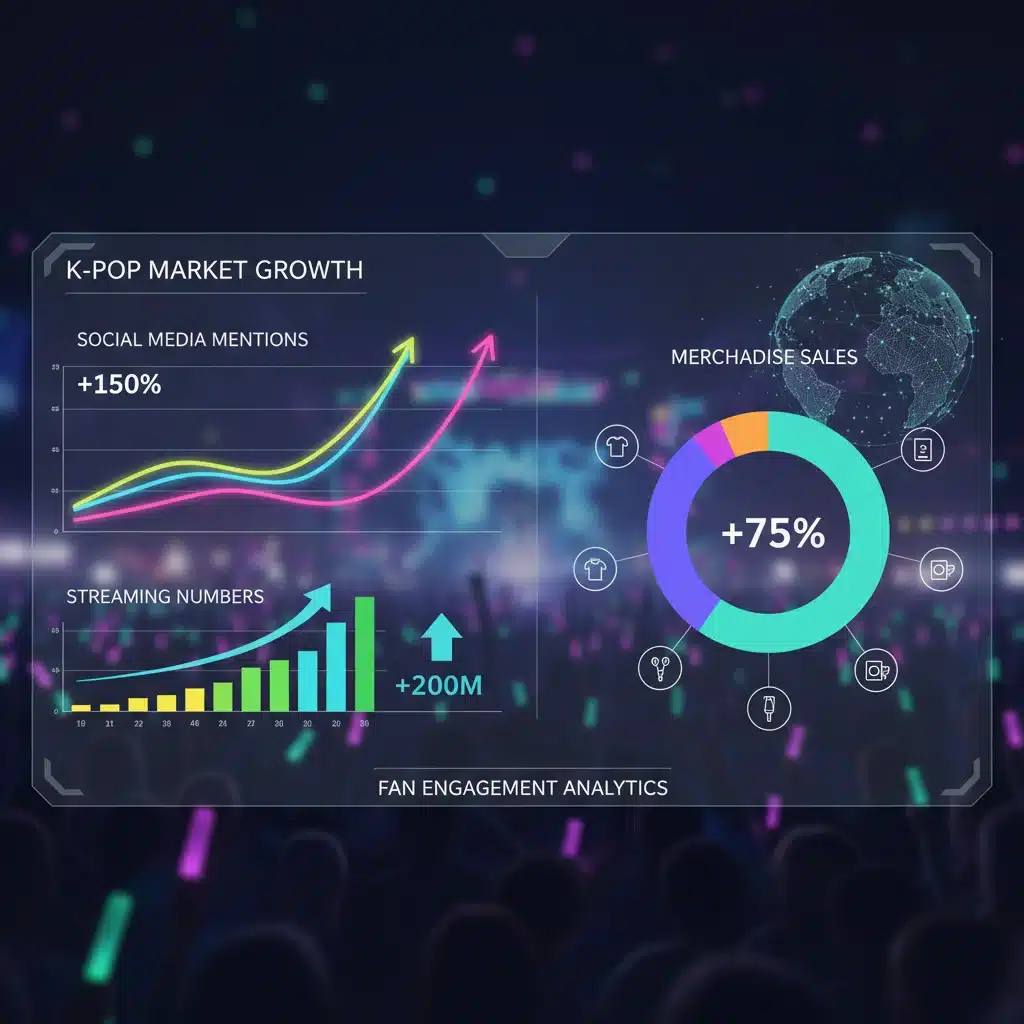
To accurately measure the projected 15% boost, several key performance indicators (KPIs) will be closely monitored. These include:
- Album Sales: Tracking first-week sales, total sales, and digital album purchases in the US.
- Streaming Numbers: Analyzing Spotify, Apple Music, YouTube, and other platform streams, focusing on US listener data.
- Social Media Engagement: Monitoring likes, shares, comments, mentions, and hashtag trends on X, Instagram, TikTok, and YouTube from US accounts.
- YouTube Views: Observing music video views and overall channel engagement from US IP addresses.
- Search Volume: Tracking Google Trends and other search engine data for K-Pop groups and related terms in the US.
- Fan Club Membership: Measuring new sign-ups and active participation in official US fan clubs.
- Concert Ticket Sales: Assessing demand and sell-out rates for US tour dates.
By meticulously tracking these metrics, agencies and industry analysts can gain a comprehensive understanding of the impact of K-Pop comebacks 2026 and adjust future strategies accordingly.
Challenges and Opportunities for Sustained Growth
While the outlook for K-Pop in the US is overwhelmingly positive, challenges remain. The market is increasingly saturated, with new groups debuting regularly, making it harder for individual acts to stand out. Maintaining fan interest over long periods, especially during hiatuses or military enlistments, requires consistent communication and innovative content. Furthermore, cultural differences, language barriers, and the need to adapt content for Western sensibilities are ongoing considerations. However, these challenges also present opportunities for innovation. Agencies can explore new content formats, diversify their artist roster, and invest further in localized marketing teams to bridge cultural gaps effectively. The continuous evolution of digital platforms also provides new avenues for engagement that can be leveraged to sustain and grow the US fanbase.
The Future of K-Pop and US Fan Engagement
The projected 15% boost in US fan engagement for K-Pop comebacks 2026 is a testament to the genre’s enduring appeal and the strategic efforts of the Korean entertainment industry. As K-Pop continues to break down geographical and cultural barriers, its influence on the global music scene will only grow. The mid-2020s are set to be an exciting period, marked by innovative music, captivating performances, and an ever-expanding, passionate fanbase in the United States. The synergy between artists, agencies, and fans, fueled by digital advancements and a deepening cultural exchange, promises a vibrant future for K-Pop in the West. The continuous evolution of K-Pop’s sound, visuals, and fan interaction methods ensures that it remains a dynamic and irresistible force in the global music landscape, poised for even greater heights of success and engagement in the years to come.
Conclusion: A Bright Horizon for K-Pop in the US
In conclusion, the highly anticipated K-Pop comebacks 2026 are not just about new music releases; they are pivotal moments that will further solidify the genre’s foothold in the US market. The confluence of dedicated fanbases, sophisticated digital strategies, and increasing mainstream acceptance creates fertile ground for unprecedented growth. The projected 15% increase in US fan engagement is a conservative estimate, reflecting the robust and passionate community that has embraced K-Pop. As groups prepare to unveil their latest masterpieces, the world watches, eager to witness the next chapter in K-Pop’s remarkable journey. The future is bright, vibrant, and undeniably K-Pop.