K-Drama Fan Culture 2026: Impact on Actors, Trends & Future
The global phenomenon of K-Drama has transcended mere entertainment, evolving into a powerful cultural force that captivates millions worldwide. At the heart of this intricate ecosystem lies K-Drama fan culture, a dynamic and ever-evolving entity that profoundly shapes the careers, public perception, and even the personal lives of the actors who bring these captivating stories to life. As we navigate 2026, the landscape of fan engagement has become more sophisticated, interconnected, and influential than ever before. This article delves deep into five key observations regarding the impact of fan culture on K-Drama actors, exploring the nuances of this symbiotic yet sometimes challenging relationship.
The Evolving Nature of Fan Engagement and Digital Presence
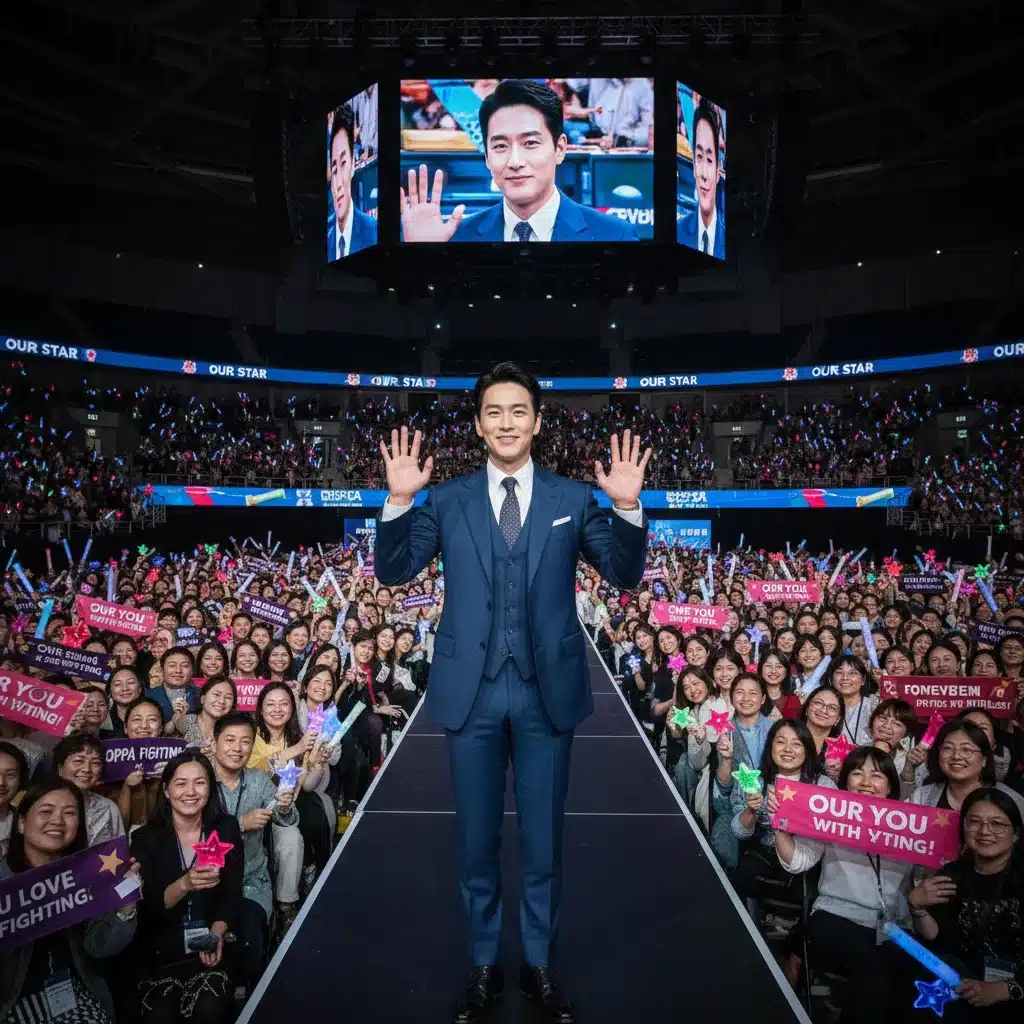
In 2026, K-Drama fan culture is predominantly a digital one. The era of passive viewership has long passed, replaced by an active, participatory, and often highly organized global fandom. Social media platforms, fan forums, and dedicated apps serve as the central hubs for fan activities, ranging from real-time drama discussions and meme creation to elaborate support projects and online voting campaigns. This digital omnipresence means that actors are under constant scrutiny, with every public appearance, social media post, and even subtle interaction being analyzed and disseminated across countless fan networks. This level of engagement, while fostering a strong sense of community among fans, also places immense pressure on actors to maintain an impeccable online persona.
Fan engagement extends beyond simple likes and comments. In 2026, sophisticated fan groups utilize data analytics to track drama ratings, social media trends, and brand endorsements, transforming their collective power into tangible influence. They organize mass streaming events to boost viewership, coordinate purchasing campaigns for endorsed products, and even commission elaborate advertisements for their favorite stars in prominent public spaces. This proactive approach significantly impacts an actor’s marketability and potential for future projects. For instance, a drama’s success is not solely measured by traditional viewership numbers but also by its global social media buzz, often fueled by dedicated fan efforts. Actors who understand and adapt to this digital-first fan culture often find greater longevity and success in their careers.
The digital landscape also facilitates direct communication, albeit often one-sided, between actors and fans. Live streams, Q&A sessions, and personal social media updates allow actors to connect with their audience on a more intimate level. However, this proximity also blurs the lines between public and private life, making it challenging for actors to maintain personal boundaries. The expectation for constant updates and interactions can be overwhelming, necessitating careful management of their digital footprint to avoid burnout or misinterpretations. The savvy K-Drama actor in 2026 understands that their digital presence is an extension of their professional brand, requiring strategic cultivation and careful navigation.
The Power of Fandom in Shaping Career Trajectories
The collective power of K-Drama fan culture in 2026 is undeniable in its ability to influence an actor’s career trajectory. From casting decisions to endorsement deals, fan sentiment plays a critical role. Production companies and advertisers are acutely aware of the economic and social capital that a strong fandom brings. An actor with a loyal and active fanbase is a valuable asset, capable of generating significant buzz, driving merchandise sales, and attracting global attention to a project.
Fan support extends to actively campaigning for their preferred actors for specific roles. Online petitions, trending hashtags, and organized outreach to production teams are common tactics. While not always successful, these efforts undoubtedly signal fan preferences and can influence decision-makers, especially when an actor’s popularity is on the rise. Furthermore, the financial contributions of fan groups through official merchandise purchases, concert tickets, and even direct donations to support projects (e.g., charity initiatives in the actor’s name) directly impact an actor’s financial standing and philanthropic image.
Conversely, negative fan sentiment can also significantly harm an actor’s career. Scandals, real or perceived, can quickly escalate into widespread condemnation, leading to loss of endorsements, withdrawal from projects, and severe damage to an actor’s public image. The speed and reach of digital media mean that reputations can be built and shattered in a matter of hours. This makes reputation management a crucial aspect of an actor’s professional life, often requiring dedicated PR teams to monitor and respond to fan reactions. The symbiotic relationship means that while fans can elevate an actor to stardom, they can also contribute to their downfall, underscoring the immense power wielded by K-Drama fan culture.
The Psychological Toll: Mental Health and Pressure
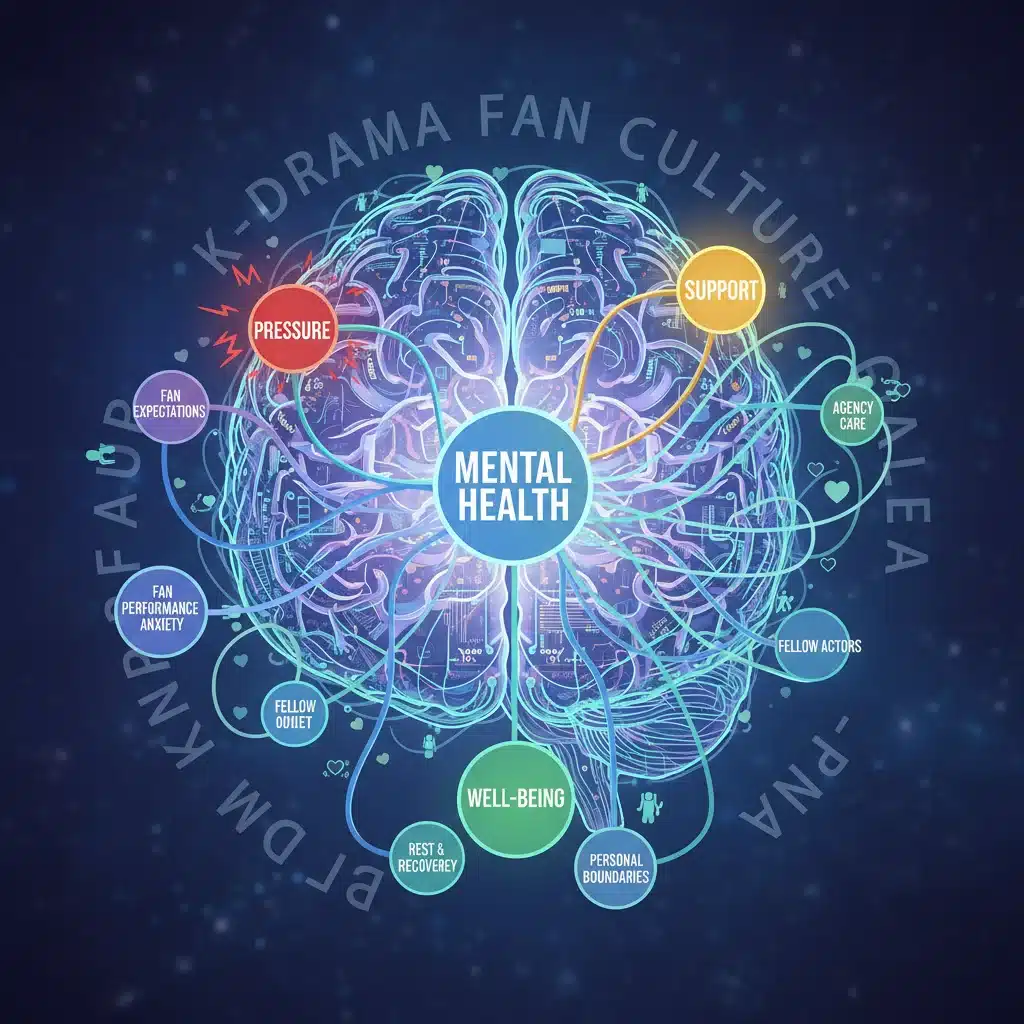
While the adoration from K-Drama fan culture can be incredibly rewarding, it also comes with significant psychological burdens for actors. The constant pressure to maintain a perfect image, to always be “on,” and to meet the often unrealistic expectations of fans can take a severe toll on mental health. Actors frequently report feelings of anxiety, depression, and isolation despite being surrounded by millions of fans.
One of the most challenging aspects is the erosion of privacy. Fans often delve into actors’ personal lives, scrutinizing relationships, family backgrounds, and past events. This invasive curiosity, sometimes fueled by obsessive “sasaeng” fans who cross ethical boundaries, can lead to extreme stress and a feeling of being constantly watched. The lack of personal space and the inability to live a “normal” life are frequently cited struggles. Furthermore, the anonymity of the internet empowers some fans to engage in cyberbullying, spreading malicious rumors or hateful comments, which can be incredibly damaging.
In 2026, there’s a growing awareness within the industry and among fans themselves about the importance of actor mental health. Agencies are implementing better support systems, including access to therapists and mental health professionals. There’s also a push for more responsible fan behavior, with campaigns encouraging positive interactions and condemning harmful practices. However, the sheer scale of global fandom makes it difficult to control every individual’s actions. Actors are increasingly vocal about their struggles, helping to destigmatize mental health issues within the highly competitive and demanding entertainment industry, a positive shift driven in part by the very culture that often creates these pressures.
The Rise of Global Fandom and Cultural Exchange
The global reach of K-Drama fan culture has transformed actors into international cultural ambassadors. No longer are K-Drama actors solely stars within South Korea; they are recognized and adored across continents. This global appeal has opened up unprecedented opportunities for actors, including international endorsement deals, casting in global productions, and participation in worldwide fan tours and conventions. The diversity of the global fanbase means actors are exposed to a wider range of cultural perspectives and expectations, enriching their experiences but also adding layers of complexity to their public image management.
This cultural exchange is a two-way street. Global fans, through their engagement, introduce new perspectives and demands into the K-Drama ecosystem. They celebrate diversity, advocate for more inclusive storylines, and push for greater representation within the industry. Actors, in turn, become conduits for cultural understanding, bridging gaps between different societies through their work and interactions. The rise of multi-lingual fan communities, often taking on the task of translating content and interviews, ensures that the barrier of language is continuously being broken down, further amplifying the global impact of K-Drama actors.
However, global fame also means navigating different cultural sensitivities. What might be acceptable in one culture could be offensive in another, requiring actors and their teams to be incredibly mindful of their messaging and behavior across various platforms. The pressure to represent not just themselves but also their country and culture adds another layer of responsibility. The global expansion of K-Drama fan culture has undeniably elevated the status of K-Drama actors, transforming them into significant figures in the global entertainment landscape, but it also demands a more nuanced and internationally aware approach to their careers.
The Future of Actor-Fan Dynamics: Co-creation and Responsible Fandom
Looking ahead to the future, the relationship between K-Drama actors and their fans is poised for continued evolution, moving towards a model of greater co-creation and responsible fandom. The influence of K-Drama fan culture is so pervasive that it’s becoming increasingly difficult for actors and production companies to ignore fan feedback. We are already seeing instances where fan theories and desires influence plotlines, character development, and even casting choices, albeit subtly. This trend is likely to intensify, with fans potentially becoming more direct participants in the creative process, perhaps through interactive polls or specialized fan panels that provide input during production.
The concept of responsible fandom is also gaining traction. As the industry grapples with the mental health challenges faced by actors, there’s a growing movement to educate fans about healthy boundaries and respectful engagement. Campaigns promoting positive fan behavior, discouraging invasive practices, and condemning cyberbullying are becoming more prevalent. This shift aims to foster a fandom environment that is supportive and nurturing rather than demanding and overwhelming. Actors themselves are playing a role in this, using their platforms to advocate for healthier fan interactions and setting clear expectations for their personal space.
Furthermore, technology will continue to innovate the actor-fan dynamic. Virtual reality (VR) and augmented reality (AR) experiences could offer new avenues for immersive fan interactions, such as virtual fan meetings or personalized digital content. Non-fungible tokens (NFTs) and blockchain technology might create new forms of fan ownership and engagement, offering exclusive content or unique digital collectibles. The future of K-Drama fan culture will likely be characterized by a delicate balance between leveraging technological advancements for deeper connections and ensuring that these connections remain respectful, healthy, and sustainable for both actors and their dedicated fanbase. The journey of K-Drama actors in 2026 and beyond will undoubtedly be shaped by this intricate and ever-evolving relationship with their fans.
Conclusion
The impact of K-Drama fan culture on actors in 2026 is multifaceted, powerful, and deeply ingrained in the fabric of the industry. From shaping career trajectories and dictating public perception to imposing significant psychological burdens and fostering global cultural exchange, fan engagement is a force that cannot be underestimated. As K-Drama continues its global expansion, the symbiotic relationship between actors and their fans will only grow in complexity and influence. Understanding these dynamics is crucial not only for industry insiders but also for anyone captivated by the magic of Korean dramas. The future promises an even more interconnected world where responsible fandom and innovative engagement strategies will define the next era of K-Drama stardom, ensuring that the passion of fans continues to fuel the vibrant and ever-evolving world of Korean entertainment.