Building a Thriving Fandom: 7 Key Strategies for U.S. Dorama & K-Pop Fan Clubs in 2026
The landscape of global entertainment is constantly evolving, and nowhere is this more evident than in the burgeoning popularity of Dorama (East Asian dramas) and K-Pop (Korean Pop music) in the United States. What began as niche interests have blossomed into mainstream cultural phenomena, attracting millions of dedicated fans. As we look towards 2026, the challenge for fan clubs is not just to exist, but to thrive, innovate, and adapt to the ever-changing dynamics of digital engagement, community building, and fan expectations. This comprehensive guide will delve into 7 crucial Fan Club Strategies that will empower U.S. Dorama and K-Pop fan clubs to achieve sustainable growth, foster deeper connections, and amplify their collective passion.
The power of fandom is undeniable. It drives album sales, boosts streaming numbers, fills concert venues, and shapes cultural trends. For Dorama and K-Pop, the U.S. market represents a significant growth opportunity, with a diverse and increasingly engaged audience. However, merely having passionate members isn’t enough. Effective fan club management in 2026 requires foresight, strategic planning, and a deep understanding of both digital tools and human psychology. These Fan Club Strategies are designed to provide a roadmap for leaders and members alike, ensuring that your community remains vibrant, inclusive, and impactful.
From leveraging cutting-edge technology to cultivating genuine interpersonal relationships, each strategy outlined below addresses a vital aspect of modern fan club operation. We’ll explore how to harness social media, create compelling content, organize memorable events, and even navigate the complexities of intellectual property. The goal is to transform your fan club from a simple gathering of enthusiasts into a dynamic, influential force within the Dorama and K-Pop ecosystems. Let’s dive into the future of fandom.
Anúncios
1. Hyper-Personalized Digital Engagement and Platforms
In 2026, generic social media posts will no longer suffice. Fan clubs must move towards hyper-personalized digital engagement, understanding that each fan has unique preferences and levels of involvement. This means utilizing advanced analytics to segment your audience and tailor content, notifications, and interactions accordingly. Imagine a fan who primarily engages with Dorama OSTs receiving curated playlists and behind-the-scenes interviews with music directors, while a K-Pop dance enthusiast gets early access to choreography breakdowns and virtual dance challenges. These targeted approaches create a much deeper sense of belonging and value.
The development or adoption of dedicated fan club apps and platforms will be paramount. While social media platforms are excellent for broad reach, a proprietary app offers a controlled environment for exclusive content, real-time communication, and personalized experiences. These apps can feature:
- Personalized Feeds: Algorithms that learn a member’s favorite groups, actors, genres, and activities to present highly relevant content.
- Interactive Polls & Quizzes: Engaging members with questions about upcoming releases, favorite moments, or fan theories, providing instant feedback and fostering a sense of collective participation.
- Tiered Membership Benefits: Offering different levels of access and perks based on engagement or subscription, including exclusive digital goods, early bird tickets, or direct Q&A sessions.
- Live Chat & Community Forums: Dedicated spaces for members to connect, discuss, and share their passion in a safe, moderated environment, enhancing the sense of community.
- Gamification: Incorporating elements like points, badges, and leaderboards for active participation, encouraging engagement and friendly competition.
Furthermore, the integration of AI-powered chatbots can provide instant answers to common questions, guide new members, and even facilitate language translation for international fan communities. These Fan Club Strategies for digital engagement are not just about technology; they are about using technology to foster more meaningful human connections within the fandom.
Anúncios
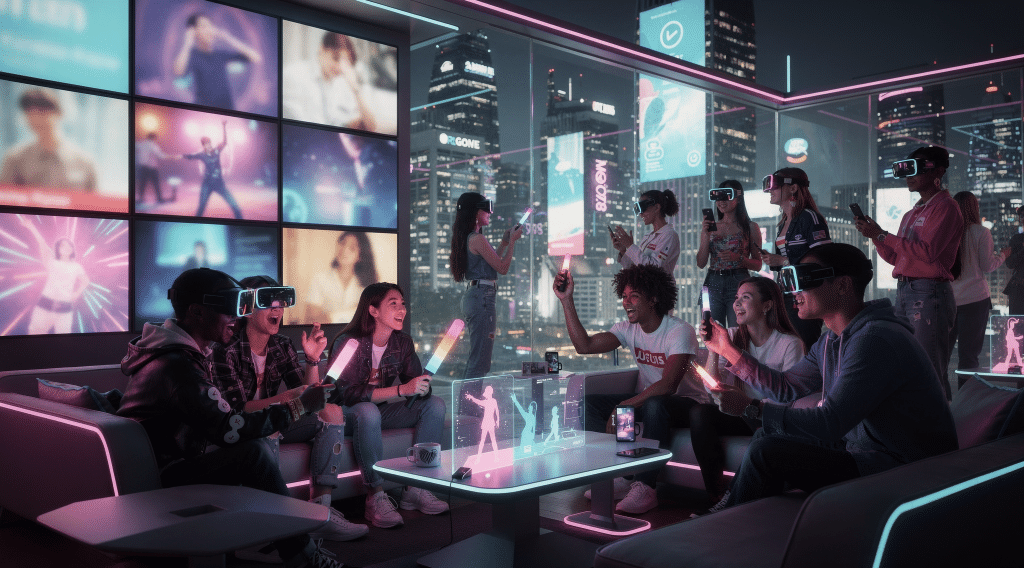
Consider the rise of virtual reality (VR) and augmented reality (AR) experiences. Imagine attending a virtual Dorama viewing party with fellow fans in a shared virtual space, complete with interactive elements and real-time commentary. Or perhaps an AR filter that allows fans to ‘meet’ their favorite K-Pop idol in their living room. These immersive technologies, while still emerging, will become increasingly accessible and expected by 2026.
Data privacy and security will also be critical. Fan clubs must ensure that any personal data collected is handled responsibly and transparently, building trust with their members. A robust digital infrastructure, coupled with a commitment to user experience, will be the bedrock of successful digital engagement. These sophisticated digital Fan Club Strategies pave the way for a more connected and personalized fan experience than ever before.
2. Cultivating Inclusive and Diverse Communities
The strength of a fan club lies in its diversity. Dorama and K-Pop have captivated audiences from all walks of life, and fan clubs must actively work to create inclusive environments where everyone feels welcome and valued. This means moving beyond superficial gestures and implementing concrete measures to promote diversity, equity, and inclusion (DEI).
Key aspects of this strategy include:
- Multilingual Support: Providing information and facilitating discussions in multiple languages to cater to the diverse linguistic backgrounds of U.S. fans.
- Accessibility Features: Ensuring digital platforms and physical events are accessible to individuals with disabilities, including features like screen reader compatibility, closed captions, and wheelchair access.
- Zero-Tolerance Policy for Discrimination: Clearly articulating and enforcing rules against racism, sexism, homophobia, transphobia, and any other form of discrimination. Moderation teams should be well-trained and proactive.
- Diverse Leadership & Representation: Actively seeking out and empowering fan club leaders and moderators from diverse backgrounds to better represent the community they serve.
- Celebrating Cultural Nuances: Organizing events and content that acknowledge and celebrate the diverse cultural backgrounds within the fandom, perhaps through themed discussions or cultural exchange programs.
An inclusive environment fosters psychological safety, encouraging members to express themselves freely and build genuine connections. When members feel safe and respected, they are more likely to participate, contribute, and become long-term advocates for the fan club and the artists they support. These Fan Club Strategies are not just ethical imperatives; they are strategic advantages, as diverse communities are often more resilient, creative, and dynamic.
Furthermore, promoting a culture of mutual respect extends to interactions with other fandoms. While friendly rivalries are common, fan clubs should encourage positive engagement and discourage fan wars or toxic behavior. Promoting cross-fandom appreciation can even lead to collaborative events and broader community growth.
Training for moderators and community managers on conflict resolution, unconscious bias, and inclusive communication techniques will be essential. Regular feedback mechanisms, such as anonymous surveys, can help gauge the club’s success in fostering an inclusive environment and identify areas for improvement. By prioritizing inclusion, fan clubs can ensure their communities remain welcoming havens for all enthusiasts.
3. Innovative Event Planning: Hybrid Experiences
The pandemic irrevocably changed how we gather, accelerating the adoption of hybrid event models. By 2026, fan clubs that excel will seamlessly blend in-person and virtual experiences to maximize reach and engagement. This means designing events where both physical attendees and remote participants feel equally involved and valued.
Examples of innovative hybrid events include:
- Simultaneous Watch Parties: Hosting a physical watch party for a Dorama finale while streaming the event live with interactive chat features for virtual attendees.
- Virtual Fan Meets with Physical Components: Organizing a virtual Q&A with a Dorama actor or K-Pop idol that includes a limited number of in-person attendees who get exclusive interaction.
- Hybrid Dance Workshops: Offering a K-Pop dance class in a studio that is simultaneously broadcast online, allowing remote participants to follow along and receive feedback.
- Interactive Conventions: Large-scale fan conventions that offer virtual booths, online panels, and digital scavenger hunts for remote participants, mirroring the physical event experience.
The key to successful hybrid events lies in thoughtful planning and robust technological infrastructure. High-quality audio and video streaming, interactive polling, dedicated virtual hosts, and seamless integration between the physical and digital spaces are crucial. These Fan Club Strategies ensure that geographical barriers do not limit participation and that every member feels connected, regardless of their location.
Consider also the potential for localized micro-events that feed into larger virtual gatherings. Smaller groups of fans could meet in cafes or community centers for local watch parties or discussions, then connect virtually with the broader fandom for a live panel or Q&A. This combines the intimacy of local meetups with the expansive reach of digital platforms.
Furthermore, event planning should extend beyond just entertainment. Fan clubs can organize charity drives, volunteering opportunities, or educational workshops related to Korean or East Asian culture, either in person or virtually. These events not only strengthen community bonds but also contribute positively to society, aligning with the values of many fans and artists. The best Fan Club Strategies for events will be those that are creative, accessible, and deeply engaging, making every member feel like an integral part of the experience.
4. Strategic Merchandise and Exclusive Content Creation
Merchandise remains a vital part of fandom, allowing members to express their identity and support their favorite artists. By 2026, fan clubs will need to be more strategic in their merchandise offerings, focusing on quality, uniqueness, and ethical sourcing. This includes:
- Limited Edition & Collaborative Merchandise: Partnering with fan artists or small businesses to create unique, limited-edition items that resonate with the fandom.
- Sustainable & Ethical Products: Offering merchandise made from eco-friendly materials or produced through fair labor practices, appealing to socially conscious fans.
- Digital Collectibles (NFTs): Exploring the potential of non-fungible tokens (NFTs) for exclusive digital art, virtual fan cards, or metaverse avatars, offering a new form of ownership and value.
- Personalized Merchandise: Allowing members to customize items with their names, favorite quotes, or unique fan art.
Beyond physical goods, exclusive digital content is a powerful draw. This can include:
- Behind-the-Scenes Access: Interviews with Dorama directors, K-Pop choreographers, or stylists.
- Early Access: Pre-release listenings, sneak peeks of upcoming Dorama episodes, or exclusive photo sets.
- Interactive Content: Virtual workshops, masterclasses, or Q&A sessions with industry professionals.
- Fan-Generated Content Features: Showcasing member-created fan art, covers, or fan fiction, providing a platform for their talents.
The goal is to provide tangible and intangible benefits that make membership truly special and worth the investment. These Fan Club Strategies for merchandise and content not only generate revenue for fan club activities but also deepen the bond between members and the artists they admire.
When developing merchandise, understanding current trends in fashion, art, and technology is crucial. What appeals to fans today might be outdated tomorrow. Regular surveys and feedback from members can help guide product development, ensuring that offerings are always relevant and desirable. Transparency about how merchandise sales contribute to fan club operations or charitable initiatives can also increase member support.
For exclusive content, the emphasis should be on quality and authenticity. Fans are discerning; they value unique insights and genuine interactions. Collaborating directly with management companies or artists (where possible and appropriate) can unlock unparalleled access, but even without direct artist involvement, creative and well-produced fan-centric content can be incredibly valuable. These Fan Club Strategies transform passive consumption into active participation and ownership.
5. Leveraging Micro-Influencers and Fan Ambassadors
In an era of information overload, trust often comes from peers. Fan clubs can significantly expand their reach and credibility by identifying and empowering micro-influencers and fan ambassadors within their own communities. These are highly engaged members who are passionate, knowledgeable, and respected by their peers.
Implementing this strategy involves:
- Identification: Recognizing members who consistently contribute positively, create engaging content, or have a strong, authentic presence within the fandom.
- Empowerment: Providing these individuals with exclusive information, early access to events, or tools to create and share content. This could include special badges, recognition, or even small incentives.
- Training & Support: Offering guidance on best practices for content creation, community moderation, and representing the fan club’s values.
- Collaboration: Working with ambassadors on specific campaigns, such as promoting a new Dorama release, organizing a local K-Pop dance cover event, or leading discussions.
Micro-influencers and fan ambassadors act as authentic voices, reaching segments of the fandom that traditional marketing might miss. Their recommendations carry weight because they are seen as genuine fans, not just promoters. These Fan Club Strategies harness the organic power of word-of-mouth in the digital age.
This strategy also helps in building a distributed leadership model, reducing the burden on a few central organizers and fostering a more resilient and community-driven fan club. When multiple members feel empowered to lead and contribute, the club becomes more dynamic and adaptable.
It’s important to establish clear guidelines and expectations for ambassadors to ensure their activities align with the fan club’s mission and values. Regular check-ins and feedback sessions can help maintain a strong, collaborative relationship. By investing in its own members, a fan club can cultivate a powerful network of advocates who organically amplify its message and attract new enthusiasts.
6. Data-Driven Decision-Making and Feedback Loops
Successful fan clubs in 2026 will operate with a data-driven mindset. This doesn’t mean becoming overly corporate, but rather using insights to better understand members, optimize activities, and make informed decisions. Regular collection and analysis of data can provide invaluable insights into member preferences, engagement levels, and areas for improvement.
Key data points to consider include:
- Engagement Metrics: Website traffic, app usage, social media interactions (likes, shares, comments), event attendance (both virtual and physical).
- Content Performance: Which types of content (videos, articles, polls) perform best and resonate most with members.
- Membership Demographics: Age, location, primary interests (Dorama vs. K-Pop, specific groups/actors), and how these evolve over time.
- Feedback Surveys: Regular polls and surveys to gather direct input on events, merchandise, communication, and overall satisfaction.
Analyzing this data allows fan clubs to identify trends, pinpoint pain points, and tailor their Fan Club Strategies accordingly. For example, if data shows a significant drop-off in engagement during certain times of the year, the club can plan more compelling content or events during those periods. If a particular type of merchandise consistently sells out, it indicates a strong demand worth exploring further.
Equally important are robust feedback loops. This involves not just collecting feedback but actively responding to it and demonstrating to members that their voices are heard. This can be done through:
- Transparent Communication: Sharing insights from surveys and explaining how feedback is being used to improve the club.
- Open Forums: Dedicated spaces for members to suggest ideas, voice concerns, and engage in constructive dialogue.
- Advisory Boards: Creating small groups of active members who regularly meet with leadership to provide input and represent the broader community.
By embracing data-driven decision-making and fostering strong feedback loops, fan clubs can ensure they remain responsive, relevant, and truly member-centric, making these Fan Club Strategies foundational for long-term health.
Simple tools like Google Analytics for websites, built-in analytics on social media platforms, and online survey tools can be incredibly effective even for small fan clubs. The key is not necessarily advanced software, but the commitment to regularly review data and use it to inform decisions. This iterative process of gathering data, analyzing it, implementing changes, and then measuring the impact is fundamental to continuous improvement.
7. Ethical Partnerships and Intellectual Property Awareness
As Dorama and K-Pop become more mainstream, fan clubs will increasingly interact with official entities, from entertainment agencies to merchandise companies. Navigating these relationships requires a strong understanding of ethics and intellectual property (IP) rights. By 2026, fan clubs must operate with a high degree of IP awareness to avoid legal issues and build credible, respectful relationships within the industry.
- Respecting Copyright & Trademarks: Understanding what content can and cannot be shared, reproduced, or used for commercial purposes. This includes images, music, videos, and official logos.
- Fair Use Guidelines: Educating members on fair use principles for transformative works like fan art, fan fiction, and cover songs, while still respecting original creators.
- Official Licensing: Encouraging the purchase of officially licensed merchandise and supporting official content platforms. If creating fan-made merchandise, ensuring it doesn’t infringe on existing IP.
- Ethical Sponsorships & Partnerships: If a fan club seeks sponsorships, ensuring alignment with the club’s values and transparently disclosing any commercial relationships to members.
- Collaboration with Agencies: Seeking opportunities for official collaboration with entertainment agencies for special events, promotions, or content, which can provide invaluable access and legitimacy.
Operating ethically and with IP awareness not only protects the fan club from legal repercussions but also builds a reputation as a responsible and trustworthy entity. This can open doors for official recognition and support from artists’ agencies, leading to exclusive opportunities that benefit the entire fandom. These Fan Club Strategies are about ensuring longevity and legitimacy.
Proactively educating members about IP rights is also crucial. Workshops or informational sessions can help fans understand the nuances of copyright, fan art policies, and responsible content sharing. This empowers members to be good digital citizens and protects the integrity of the fan club.
Furthermore, fan clubs can act as advocates for fair fan policies, engaging with agencies to provide feedback on merchandise pricing, accessibility of content, and fan engagement practices. By acting as a responsible and organized representative of the fan base, a fan club can wield significant influence. Ultimately, these Fan Club Strategies are about fostering a mutually beneficial relationship between fans, artists, and the broader entertainment industry.
Conclusion: The Future is Bright for Engaged Fandoms
The journey of a U.S. Dorama or K-Pop fan club towards 2026 is one of continuous evolution and adaptation. The 7 Fan Club Strategies outlined above – from hyper-personalized digital engagement and cultivating inclusive communities to innovative event planning, strategic merchandise, leveraging micro-influencers, data-driven decision-making, and ethical IP awareness – provide a robust framework for success. These strategies are interconnected, each strengthening the others to create a holistic approach to fan club management.
The power of fandom lies in its collective passion, creativity, and unwavering support. By embracing these forward-thinking approaches, fan clubs can not only survive but truly thrive in the dynamic entertainment landscape of 2026. They can foster deeper connections among members, amplify the voices of their beloved artists, and contribute meaningfully to the global spread of Dorama and K-Pop culture.
Ultimately, the most successful fan clubs will be those that prioritize their members, adapt to technological advancements, champion inclusivity, and operate with integrity. The future of fandom is not just about consuming content; it’s about building vibrant, interactive, and influential communities that stand the test of time. Implement these Fan Club Strategies, and watch your fandom flourish.