K-Pop’s Digital Ascent: 2026 US Streaming & Fan Community Trends

Anúncios
The global music landscape is a constantly evolving entity, shaped by technological advancements, cultural shifts, and the undeniable power of dedicated fanbases. In this dynamic environment, one genre has consistently defied expectations and shattered barriers: K-Pop. What began as a niche interest has blossomed into a global phenomenon, and nowhere is its impact felt more profoundly than in the United States. By 2026, K-Pop’s digital dominance is set to reach unprecedented heights, redefining how music is consumed, marketed, and experienced on US streaming platforms and within its burgeoning online fan communities.
This article delves into the intricate web of factors contributing to K-Pop’s sustained growth and influence in the American market. We will explore the strategic role of digital platforms, the innovative engagement tactics employed by K-Pop agencies, and the unparalleled dedication of its fan communities. Understanding these trends is crucial not only for those within the music industry but also for anyone interested in the future of global cultural exchange and digital media.
Anúncios
The Unstoppable Rise of K-Pop: A Digital Foundation
The journey of K-Pop from a regional South Korean music genre to a global powerhouse is intrinsically linked to its early and strategic embrace of digital technologies. Unlike many Western acts that gradually adapted to the digital age, K-Pop groups and their management companies, often referred to as agencies, were digital natives from the outset. They understood the power of the internet for content distribution, audience engagement, and global outreach long before it became a mainstream necessity. This foresight laid the groundwork for K-Pop’s digital dominance, particularly in a market as diverse and digitally-savvy as the United States.
In the early 2010s, while many Western artists were still grappling with the transition from physical sales to digital downloads, K-Pop acts were already leveraging platforms like YouTube, V Live (and later, Weverse), and various social media channels to connect directly with fans worldwide. This direct-to-consumer approach bypassed traditional gatekeepers and allowed K-Pop to cultivate a loyal international following, even without extensive traditional media exposure in the US. By 2026, this digital-first strategy will have fully matured, with K-Pop groups and their agencies operating as highly sophisticated digital content creators and community builders.
The accessibility of K-Pop content on global streaming platforms has been a game-changer. YouTube, in particular, served as an early gateway, allowing fans to discover K-Pop music videos, behind-the-scenes content, and variety show appearances. This visual-heavy content, often featuring high production values and intricate choreographies, resonated strongly with a global audience, transcending language barriers. The virality of K-Pop music videos, often breaking viewing records within hours of release, became a testament to the genre’s potent digital footprint and the collective power of its fanbases.
Looking ahead to 2026, the initial groundwork laid by these platforms will be further solidified. We can expect even more sophisticated digital strategies, including personalized content delivery, AI-driven fan engagement, and innovative virtual experiences. The concept of K-Pop’s digital dominance isn’t just about presence; it’s about pioneering new ways to interact with and captivate a global audience.
Anúncios
Streaming Platforms: The Battleground for K-Pop’s Digital Dominance
For K-Pop, streaming platforms are not merely distribution channels; they are integral to its identity and success. In the US, platforms like Spotify, Apple Music, YouTube Music, and Amazon Music have become crucial battlegrounds where K-Pop artists compete for listenership, chart positions, and ultimately, cultural penetration. By 2026, the dynamics of this relationship will have intensified, with K-Pop’s influence shaping platform features and consumption patterns.
The Power of Spotify and Apple Music
Spotify and Apple Music remain the dominant forces in the US streaming market. K-Pop artists have consistently performed well on these platforms, often breaking into global top charts and playlists. This success is not accidental; it’s a direct result of coordinated fan efforts and strategic playlisting by agencies. Fans actively stream, share, and organize streaming parties to boost their favorite artists, demonstrating a level of dedication rarely seen in other music genres. This organic, yet highly organized, fan activity contributes significantly to K-Pop’s digital dominance.
By 2026, we anticipate streaming platforms to further integrate K-Pop-specific features. This could include enhanced collaborative playlist options for fan communities, dedicated K-Pop hubs with exclusive content (behind-the-scenes, interviews), and even personalized AI-driven recommendations that understand the nuances of K-Pop subgenres and artist discographies. The platforms recognize the immense engagement K-Pop brings and will invest in retaining and expanding this audience.
YouTube’s Enduring Influence
While audio streaming platforms are vital for listenership, YouTube remains the visual epicenter of K-Pop. Music video views are not just vanity metrics; they contribute to artists’ global visibility, generate revenue, and serve as a primary tool for fan engagement. The sophisticated storytelling, high-budget productions, and intricate choreographies of K-Pop music videos make them highly rewatchable and shareable, fueling K-Pop’s digital dominance.
By 2026, YouTube’s role will likely evolve to include more interactive experiences. Imagine live watch parties with real-time fan reactions, integrated merch sales directly from video players, or even choose-your-own-adventure style music videos. The platform’s ability to host both official content and fan-created reaction videos, dance covers, and analysis further solidifies its position as a central pillar of the K-Pop ecosystem.
Emerging Platforms and Niche Services
Beyond the giants, emerging platforms and niche streaming services will also play a role in K-Pop’s digital dominance. TikTok, for instance, has already proven to be a powerful launchpad for K-Pop songs, turning snippets of tracks into viral challenges and significantly boosting their reach. Short-form video content will continue to be a crucial discovery engine. Weverse, an app developed by HYBE (the agency behind BTS), exemplifies the trend of agencies creating their own platforms to foster deeper fan engagement and control content distribution. By 2026, we might see more agencies investing in similar proprietary platforms, offering exclusive content, fan-artist interaction, and even metaverse-like experiences.
The competition among platforms to attract and retain K-Pop fans will drive innovation, ultimately benefiting both artists and their audiences. K-Pop’s digital dominance is not just about occupying space; it’s about driving the evolution of the digital music landscape itself.
The Unrivaled Power of K-Pop Fan Communities
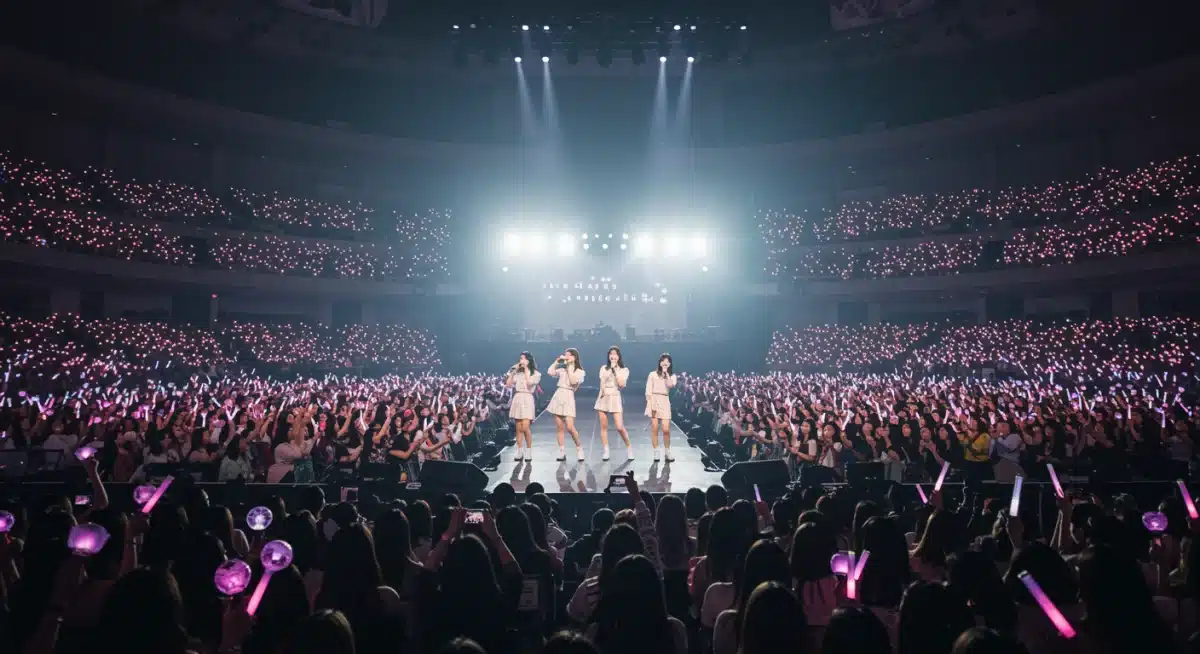
Perhaps the most unique and potent aspect of K-Pop’s digital dominance is the strength and organization of its fan communities. These aren’t just casual listeners; they are highly engaged, globally connected, and incredibly proactive individuals who play a direct role in their favorite artists’ success. They are the engine driving K-Pop’s digital dominance.
Organized Fandom: A Force to Be Reckoned With
K-Pop fanbases, often referred to as fandoms, operate with a level of organization that rivals professional marketing teams. They coordinate streaming goals, organize mass purchases of albums to influence chart rankings, trend hashtags on social media, and even translate content for international fans. This collective action is driven by a deep sense of loyalty and a desire to support their idols.
By 2026, these organizational structures will likely become even more sophisticated, leveraging advanced digital tools for coordination. Decentralized autonomous organizations (DAOs) for fan projects, advanced data analytics to track streaming efficacy, and even AI-powered tools for content translation and dissemination could become commonplace. The line between fan and marketer will continue to blur, with fandoms playing an increasingly influential role in shaping public perception and commercial success.
Community Building and Social Media
Social media platforms like Twitter, Instagram, and TikTok are central to K-Pop fan communities. They serve as spaces for discussion, content sharing, news dissemination, and direct interaction with artists (when possible). The constant flow of information, memes, and fan-created content keeps fandoms vibrant and engaged. These platforms are not just for consumption; they are for creation and connection, fostering a strong sense of belonging among fans globally.
The interactive nature of K-Pop content – from live streams to reality shows – further strengthens these bonds. Fans feel a personal connection to the artists, which translates into an unparalleled level of dedication. This emotional investment is a key driver of K-Pop’s digital dominance, transforming passive listeners into active participants.
From Digital to Real-World Impact
The power of K-Pop fan communities extends beyond the digital realm. Their coordinated efforts translate into real-world impact, from selling out concert venues in minutes to influencing brand endorsements and philanthropic initiatives. K-Pop fans are known for their charitable projects in the name of their idols, demonstrating a positive social impact that further endears the genre to a wider audience.
In 2026, we can expect to see even more innovative ways for fan communities to exert influence. This could include direct funding models for artists, fan-driven initiatives to promote mental health awareness within the industry, or even collective bargaining power with streaming platforms for better artist compensation. The collective voice of K-Pop fans is becoming too loud to ignore, solidifying K-Pop’s digital dominance as a holistic phenomenon.
Technological Innovations Fueling K-Pop’s Digital Dominance
The intersection of K-Pop and cutting-edge technology is a relationship that continually pushes boundaries. By 2026, several technological innovations will further amplify K-Pop’s digital dominance, offering new avenues for creativity, immersion, and fan engagement.
The Metaverse and Virtual Concerts
The concept of the metaverse, while still in its nascent stages, holds immense potential for K-Pop. Virtual concerts, fan meetings, and interactive experiences within digital worlds could become commonplace. Artists could have persistent virtual avatars, allowing for continuous fan engagement regardless of physical location. This offers a new layer of immersion, transcending geographical limitations and providing unique opportunities for fans to interact with their idols and each other. Imagine attending a virtual fan sign event or exploring a digital recreation of your favorite idol’s practice room. This expansion into virtual realms is a natural progression of K-Pop’s digital dominance.
AI and Personalization
Artificial intelligence will play an increasingly significant role in personalizing the K-Pop experience. AI algorithms can analyze fan preferences to curate bespoke content feeds, recommend new artists, and even generate personalized merchandise designs. For artists and agencies, AI can offer insights into fan behavior, optimize content release schedules, and identify emerging trends. This data-driven approach will ensure that K-Pop’s digital dominance remains responsive and tailored to its diverse audience.
NFTs and Digital Collectibles
Non-fungible tokens (NFTs) have already made inroads into the music industry, and K-Pop is no exception. By 2026, NFTs could evolve beyond simple digital art to offer unique fan experiences, exclusive content access, or even fractional ownership of music rights. This taps into the collectible nature of K-Pop fandom and provides new revenue streams for artists while offering fans a deeper sense of ownership and connection. The collectibility aspect of K-Pop, from photocards to limited edition albums, translates perfectly into the digital realm of NFTs, further cementing K-Pop’s digital dominance in innovative ways.
Interactive Content and Gamification
The future of K-Pop content is highly interactive. We can expect more gamified experiences, where fans can participate in challenges, earn rewards, and influence storylines. This could range from interactive music videos where choices affect the plot to mobile games featuring idol avatars. This blend of entertainment and engagement keeps fans actively involved, transforming passive consumption into an immersive experience. This constant innovation in content delivery is a cornerstone of K-Pop’s digital dominance.

K-Pop’s Cultural Impact and Future Outlook in the US
K-Pop’s digital dominance in the US is not just about numbers; it’s about a profound cultural impact. The genre has introduced millions of Americans to South Korean culture, language, and fashion, fostering a greater sense of global understanding and appreciation. This cultural exchange is a significant byproduct of its digital success.
Diversifying the US Music Landscape
K-Pop has undeniably diversified the US music landscape, challenging the traditional hegemony of Western artists. Its success has opened doors for other non-English language music genres and demonstrated the immense appetite for global sounds. This push for diversity enriches the entire music industry, encouraging innovation and broader cultural representation. K-Pop’s digital dominance is a testament to the power of diverse voices in a globalized world.
Challenges and Adaptations
Despite its impressive growth, K-Pop faces ongoing challenges in the US market. These include navigating cultural differences, addressing issues of language barriers (though many fans embrace learning Korean), and adapting to the fast-paced nature of the American entertainment industry. Agencies will continue to refine their localization strategies, perhaps by increasing collaborations with Western artists and producers, or by producing more English-language content without sacrificing the genre’s core identity.
Another challenge lies in maintaining authenticity amidst increasing commercialization. As K-Pop’s digital dominance grows, so does the pressure to cater to a broader audience. Striking a balance between global appeal and retaining the unique artistic and cultural essence of K-Pop will be crucial for its long-term sustainability.
The Enduring Legacy of K-Pop’s Digital Dominance
By 2026, K-Pop’s digital dominance will be an undeniable force, not just in music, but across entertainment, fashion, and technology. It will continue to serve as a blueprint for artist-fan engagement, demonstrating the power of grassroots movements combined with sophisticated digital strategies. The lessons learned from K-Pop’s rise – the importance of authenticity, community, and relentless innovation – will resonate across the entire global entertainment industry.
The genre’s ability to constantly adapt, embrace new technologies, and foster unparalleled fan loyalty ensures its continued relevance and growth. K-Pop is more than just music; it’s a cultural phenomenon powered by digital innovation and the collective passion of millions. Its journey in the US, from a curious import to a dominant cultural force, is a compelling narrative of the digital age, and by 2026, that narrative will only have grown richer and more influential.
In conclusion, K-Pop’s digital dominance is a meticulously constructed edifice built on the foundations of strategic digital adoption, innovative content creation, and the unwavering dedication of its global fan communities. As we look towards 2026, these pillars will only grow stronger, propelling K-Pop to new heights of influence and further cementing its place as a transformative force in the US music and entertainment landscape. The future is bright, digital, and undeniably K-Pop.